 Get 30% Off On Selected Items
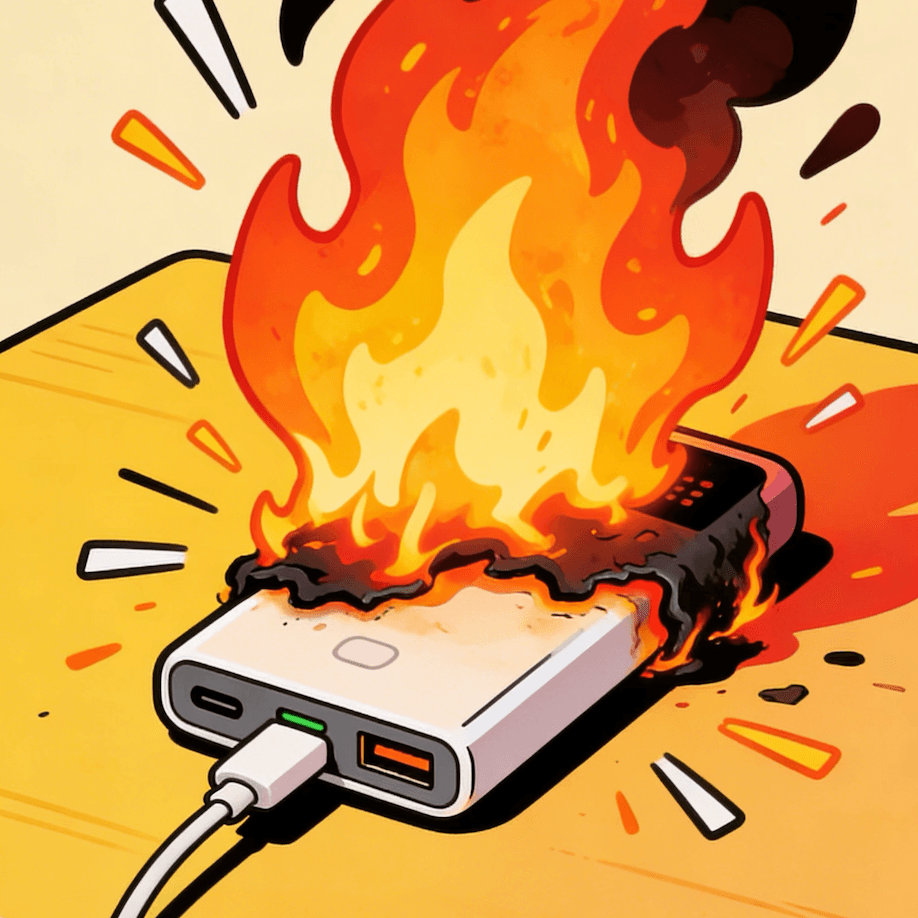

Why Does a Power Bank Get Hot After Long-Term Use? Causes, Risks and Safe Charging Guide
Almost everyone has experienced a warm power bank. The first question is usually the same: Is this normal, or is it becoming dangerous?
The important issue is not heat itself, but why the heat is generated, where it comes from, and when users should stop using the device immediately. Every certified lithium power bank produces some heat because electrical energy cannot be converted with perfect efficiency. A portion becomes thermal energy during charging and discharging. However, when temperatures continue rising, charging becomes noticeably slower, the enclosure becomes painfully hot, or swelling and unusual smells appear, the problem may involve battery ageing, damaged electronics, reduced smartphone battery life, or even thermal runaway in extreme situations.
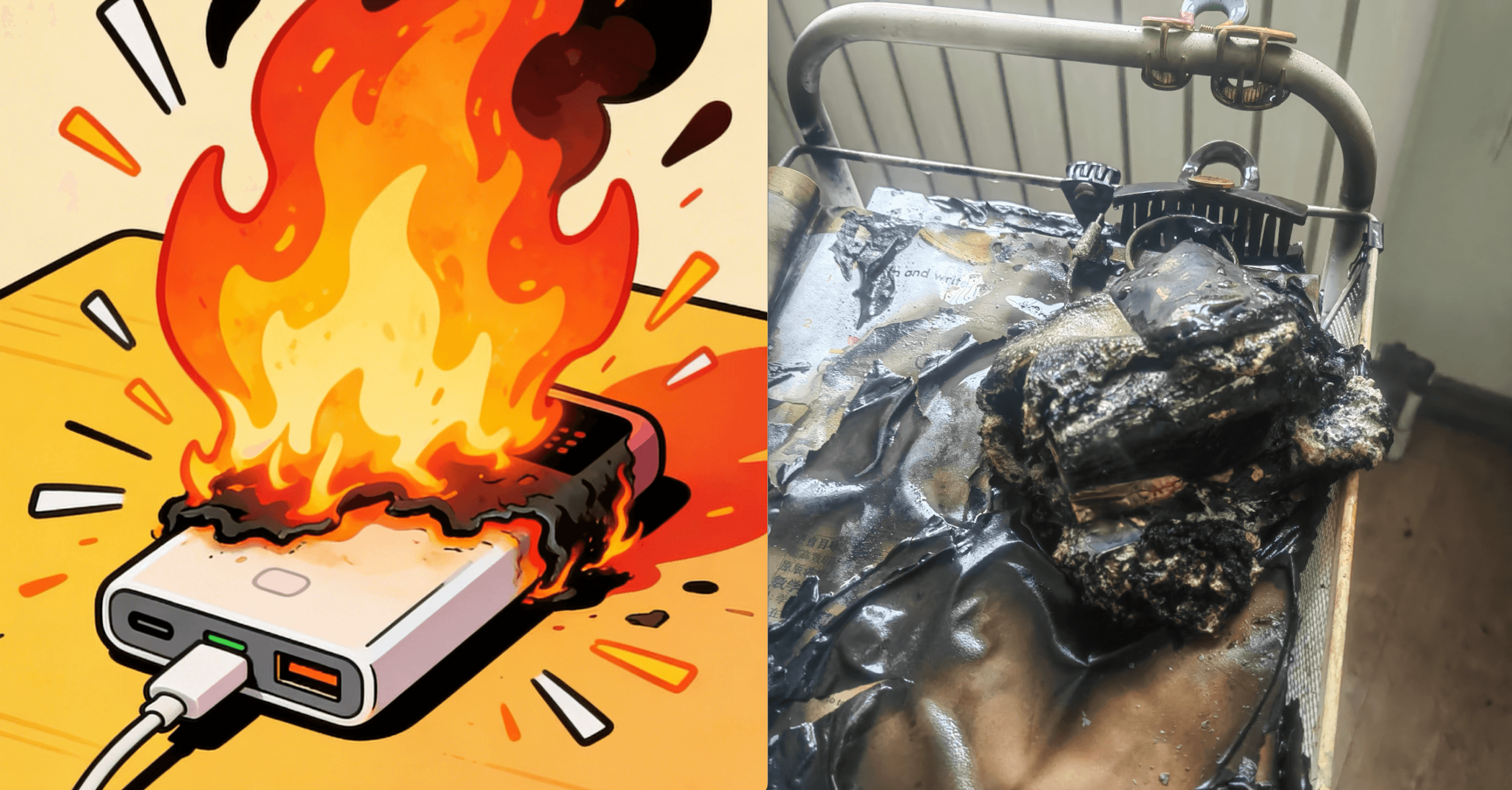
Understanding Where the Heat Comes From
Heat is generated by several internal components rather than the battery alone.The primary source is electrical resistance. During fast charging, high current flows through conductors, copper traces and power components, producing Joule heat. This explains why 20W or 30W charging usually feels warmer than standard charging.
Another source is voltage conversion. Lithium cells operate around 3.7 volts, while USB outputs require regulated 5V, 9V or 12V. The DC-DC converter continuously converts voltage, and any efficiency loss becomes heat. High-quality designs minimise this loss through more efficient power management.
Finally, the lithium battery itself generates additional heat as it ages. Internal resistance gradually increases with every charge cycle, meaning an older power bank naturally produces more heat than a new one under the same workload.
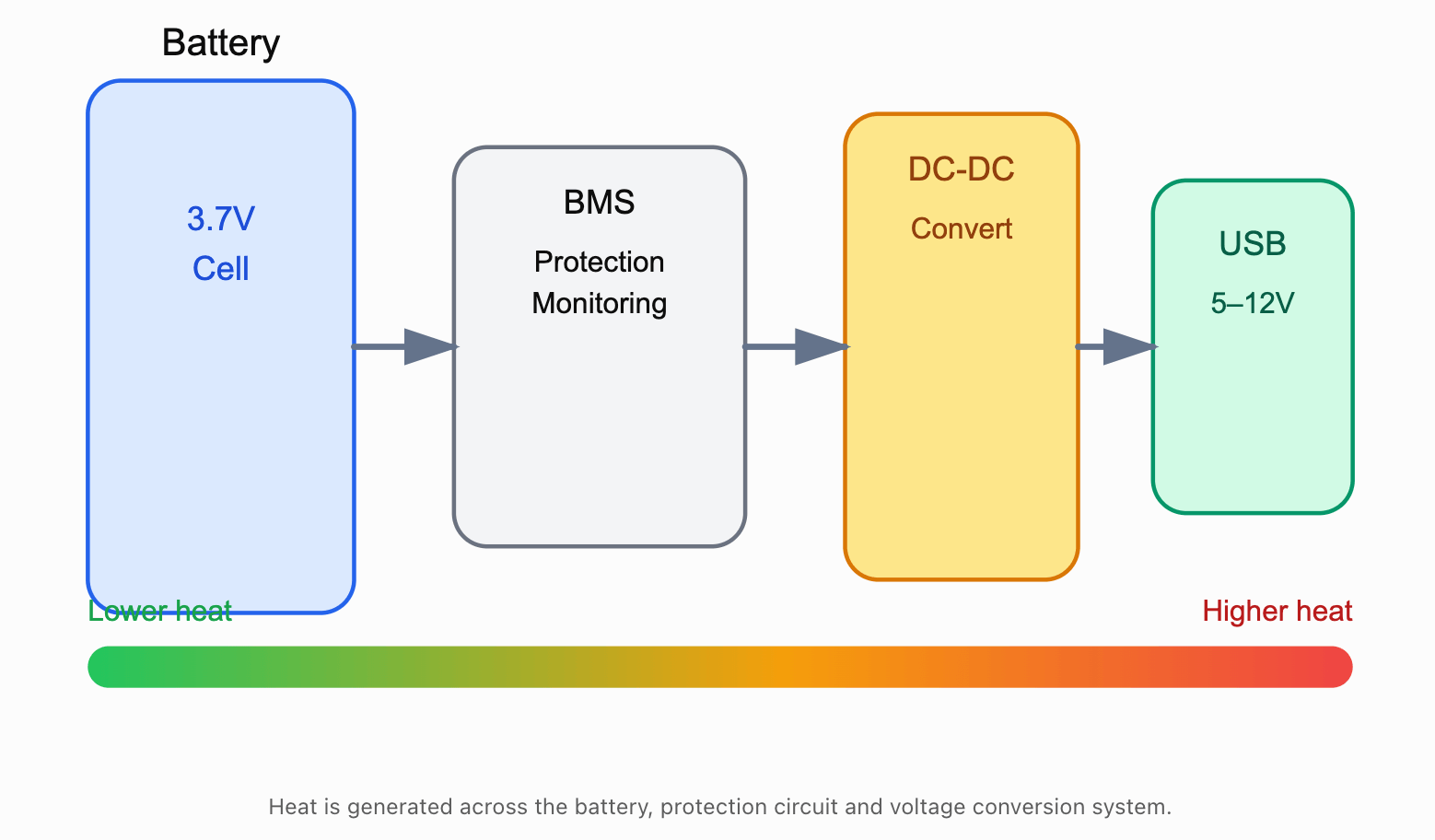
Why Older Power Banks Become Hotter Than New Ones
This is one of the most common ageing characteristics of lithium batteries.Every charge cycle causes microscopic chemical changes inside the cell. As active materials gradually degrade, internal resistance increases. Higher resistance means more energy is wasted as heat during both charging and discharging.Long-term exposure to heat also accelerates ageing of power components, capacitors and thermal interface materials, reducing overall conversion efficiency. That is why older power banks often become warmer while simultaneously delivering shorter battery life and slower charging speeds.
Is It Normal for a Power Bank to Feel Warm?
Warm does not automatically mean unsafe.During normal fast charging, a certified power bank may become noticeably warm while remaining within its designed operating temperature. Temperature sensors inside the battery management system continuously monitor cell conditions.Users should become concerned when the enclosure becomes too hot to hold comfortably, charging repeatedly stops, charging speed drops sharply, or the device continues heating even while idle. These symptoms indicate abnormal operation rather than normal thermal behaviour.
Why Overheating Makes Charging Slower
Charging speed often decreases because thermal protection intentionally reduces power output.Both smartphones and modern power banks monitor battery temperature continuously. Once temperatures approach the safety threshold, charging protocols automatically reduce output power. A device delivering 30W may fall back to 15W or even standard 5V charging to prevent additional heat buildup.This behaviour protects battery longevity rather than indicating poor charging performance.
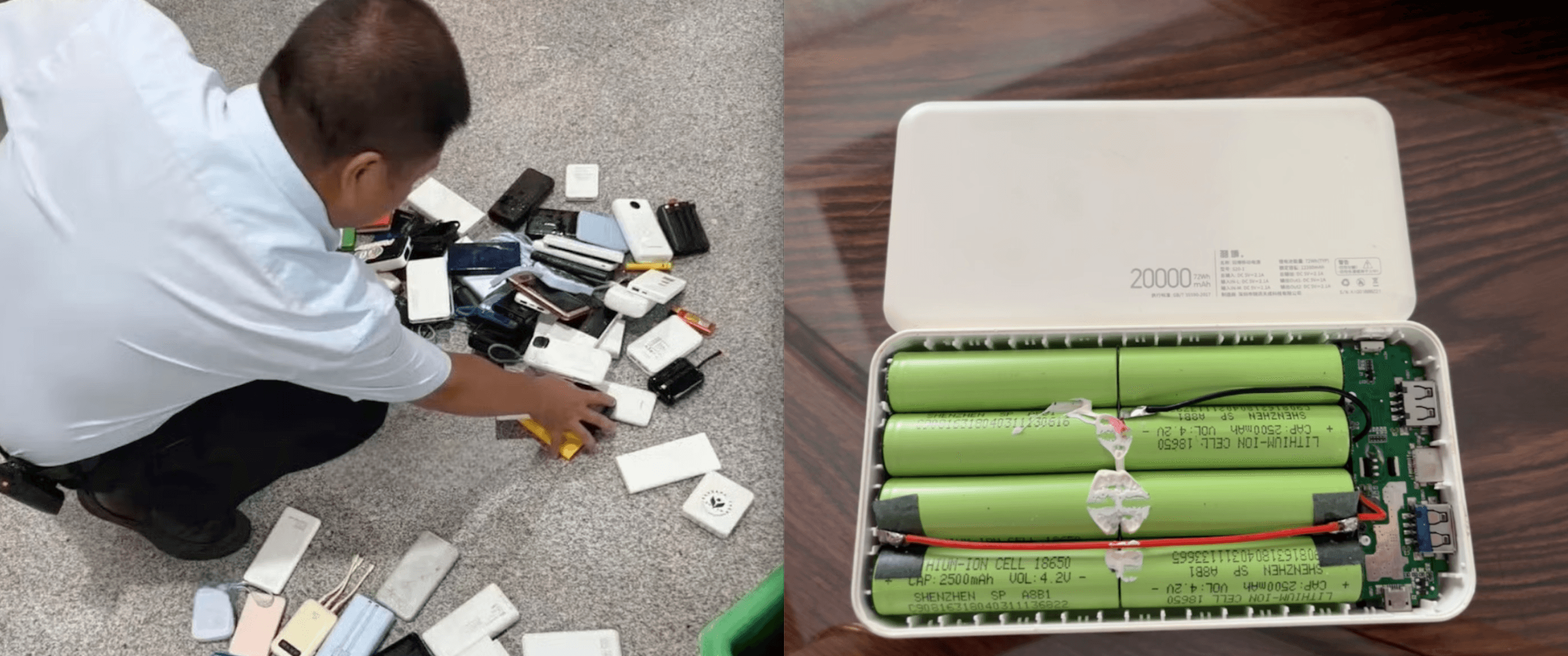
Can Heat Damage Your Smartphone Battery?
Yes—but the real issue is prolonged heat exposure rather than fast charging itself.Lithium batteries are far more sensitive to sustained elevated temperatures than to high charging power alone. When both the smartphone and power bank become hot simultaneously, both battery systems experience thermal stress.Extended exposure accelerates electrolyte degradation, increases SEI layer ageing and shortens cycle life. Users may eventually notice reduced capacity, shorter runtime and lower battery health.
The Hidden Risks of Charging Under High Temperature
Environmental conditions significantly influence battery temperature.Inside parked vehicles, dashboard temperatures can exceed 60°C, far above the recommended operating range for lithium batteries. Soft surfaces such as beds, sofas and blankets restrict airflow and trap heat around the enclosure.Charging on a hard, ventilated surface while avoiding direct sunlight dramatically improves heat dissipation and reduces unnecessary thermal stress.
When Heat Becomes a Fire Hazard
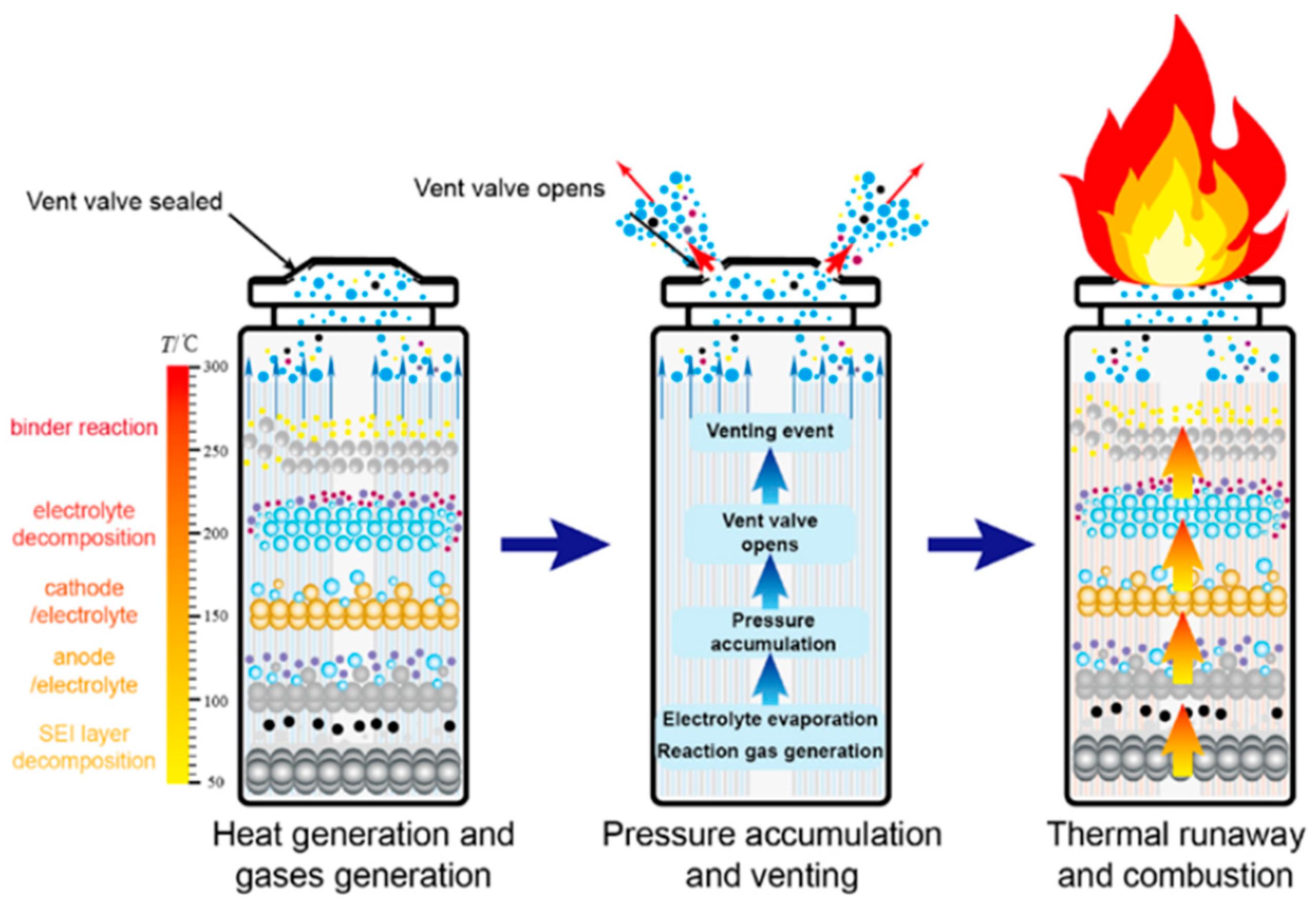
The term “explosion” is often misunderstood. In most battery incidents, the underlying mechanism is thermal runaway rather than a conventional explosion.Thermal runaway occurs when internal temperature rises uncontrollably, triggering self-sustaining chemical reactions that release heat and flammable gases. It usually requires multiple contributing factors, including defective cells, internal short circuits, mechanical damage, excessive charging, failed protection circuits or prolonged overheating.Certified power banks reduce this risk through over-temperature, over-current, short-circuit and overcharge protection. The greatest danger comes from continuing to use damaged or swollen batteries.
Why Cheap Power Banks Overheat More Easily
Lower prices do not automatically mean unsafe products, but extreme cost reduction often compromises thermal design and component quality.Higher-quality power banks generally use low-resistance battery cells, efficient conversion chips, thicker copper PCB layers and comprehensive temperature monitoring. Budget products may rely on lower-grade cells and less efficient power components, causing significantly higher temperatures during fast charging.Safety certifications and battery management quality are more important than advertised capacity alone.
Five Signs You Should Replace Your Power Bank
Most battery failures provide warning signs before becoming dangerous.Replace the power bank immediately if it develops swelling, unusual odours, cracked housing, severe deformation after impact or persistent heat while idle. Significant capacity loss combined with excessive heating is also a strong indicator of battery ageing.
How to Keep Your Power Bank Cooler and Safer
Good charging habits significantly improve battery lifespan.Avoid simultaneous charging and discharging whenever possible, because internal power conversion generates additional heat. Use certified USB-C cables with appropriate current ratings, as poor-quality cables introduce unnecessary resistance.For long-term storage, keep the battery around 40–60% charge instead of fully charged or completely empty, and recharge every few months to maintain cell stability.

How to Choose a Safer Power Bank
When selecting a power bank, capacity and price should not be the only priorities.Look for recognised safety certifications, reliable battery cells, comprehensive protection circuits and intelligent thermal management. For 20W or 30W fast charging products, stable sustained performance matters more than impressive peak wattage.The safest power bank is one that balances efficiency, temperature control and long-term reliability.
Conclusion
A warm power bank is not automatically dangerous, but ignoring abnormal heat can be.Normal temperature rise is part of lithium battery operation. Persistent overheating, swelling, unusual smells, slower charging and heat while idle are warning signs that should never be ignored. Choosing certified products, avoiding high-temperature environments and replacing ageing batteries at the right time are the most effective ways to improve safety.
For brands and OEM buyers, power bank quality is defined not only by capacity, but by battery cells, battery management systems, thermal engineering and manufacturing standards. Long-term reliability always begins with responsible manufacturing.






Leave a Reply