 Get 30% Off On Selected Items

China Mobile Accessories Source Factory: Building Reliable OEM/ODM Partnerships for Global Brands
In today’s global consumer electronics market, mobile accessories have become an essential part of everyday digital life. From wireless earbuds and portable power solutions to fast chargers, USB cables and magnetic charging products, consumers expect products that are reliable, safe and aesthetically competitive.
For international distributors, retailers and brand owners, choosing the right manufacturing partner in China is one of the most important decisions in building a successful product line. A professional factory does not only provide products. It provides manufacturing experience, quality control capability, production stability and long-term supply chain support.
As a China-based mobile accessories source factory, we focus on providing OEM and ODM manufacturing solutions for global customers. With our own production capability, experienced technical team and complete manufacturing process, we help businesses transform product ideas into market-ready solutions.
Our goal is not simply to complete individual orders, but to establish long-term cooperation with customers who need stable quality, competitive manufacturing costs and reliable after-sales support.
Factory Strength: The Foundation Behind Reliable Manufacturing
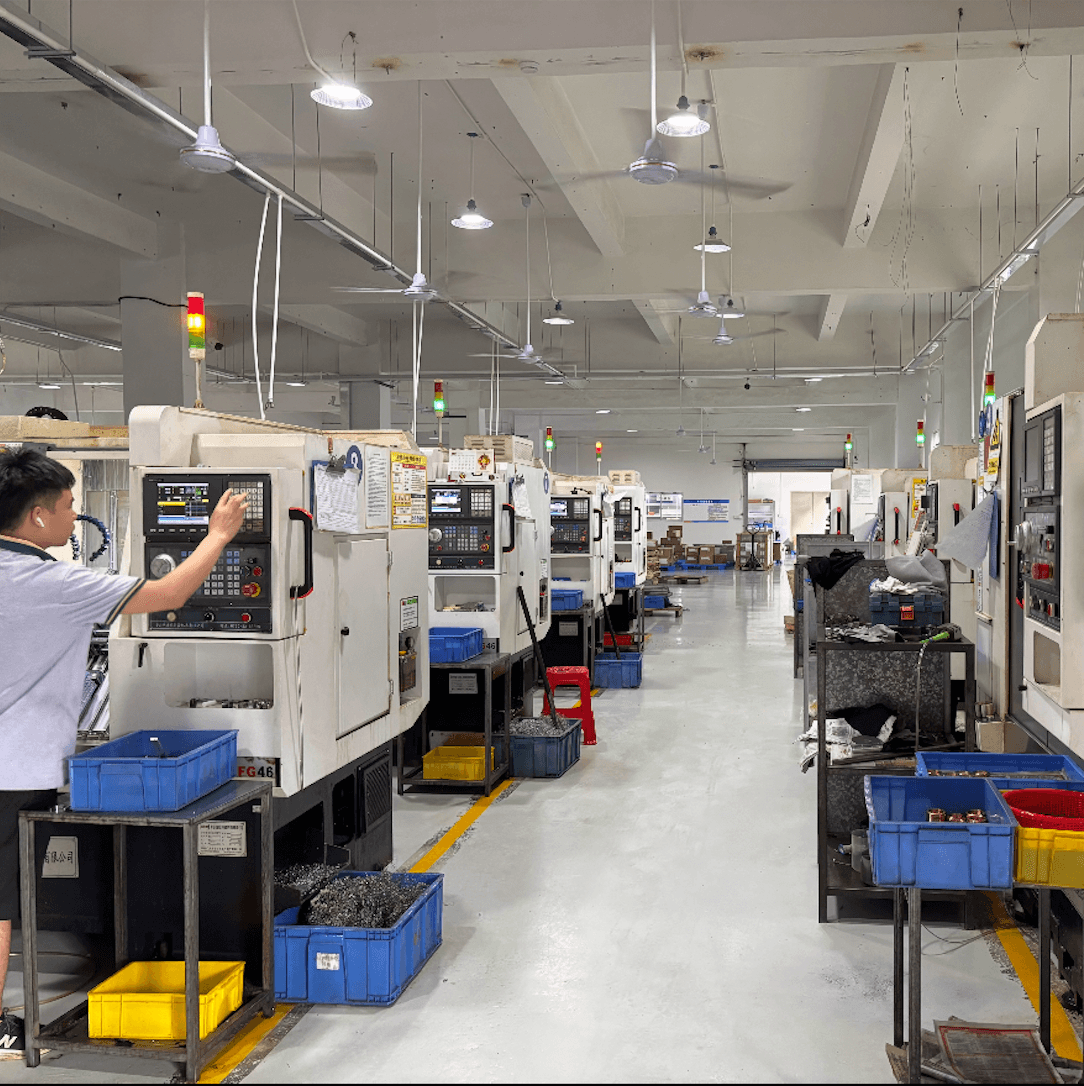
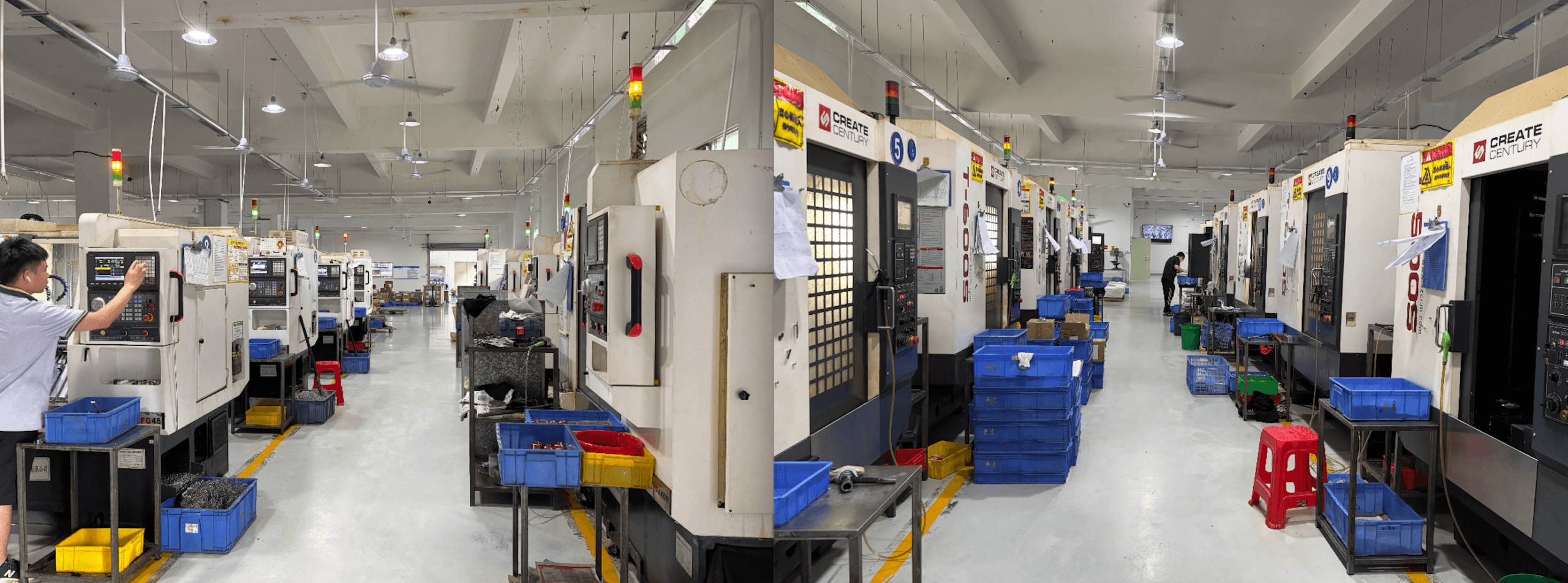
A reliable mobile accessories supplier must have more than attractive product samples. The real strength of a manufacturer comes from production management, quality systems, engineering experience and supply chain control.Our factory covers approximately 2,000 square meters of production space and includes multiple specialized production workshops. Different production areas are designed for different manufacturing processes, allowing products to be developed, assembled, tested and prepared for shipment through a more organized workflow.
With around 20 production workshops, we are able to handle different categories of mobile accessories while maintaining consistent quality standards. This manufacturing structure allows us to support customers with different requirements, from product customization and small batch testing to large-scale production.For overseas buyers, production capacity is not only about how many products a factory can manufacture. More importantly, it represents whether the supplier can maintain stable delivery schedules, consistent product quality and efficient communication during cooperation.
Many companies experience problems when working with unreliable suppliers, including delayed delivery, inconsistent quality between batches and limited technical support after sales. A professional source factory reduces these risks through structured production management and quality supervision.
Complete Mobile Accessories Manufacturing Capability
The mobile accessories market changes rapidly. Successful brands need suppliers who can respond quickly to market trends and provide multiple product categories under one reliable supply chain.Our manufacturing capability covers a wide range of mobile accessories, including wireless earbuds, portable power banks, GaN fast chargers, USB-C and Lightning charging cables, and magnetic charging solutions.
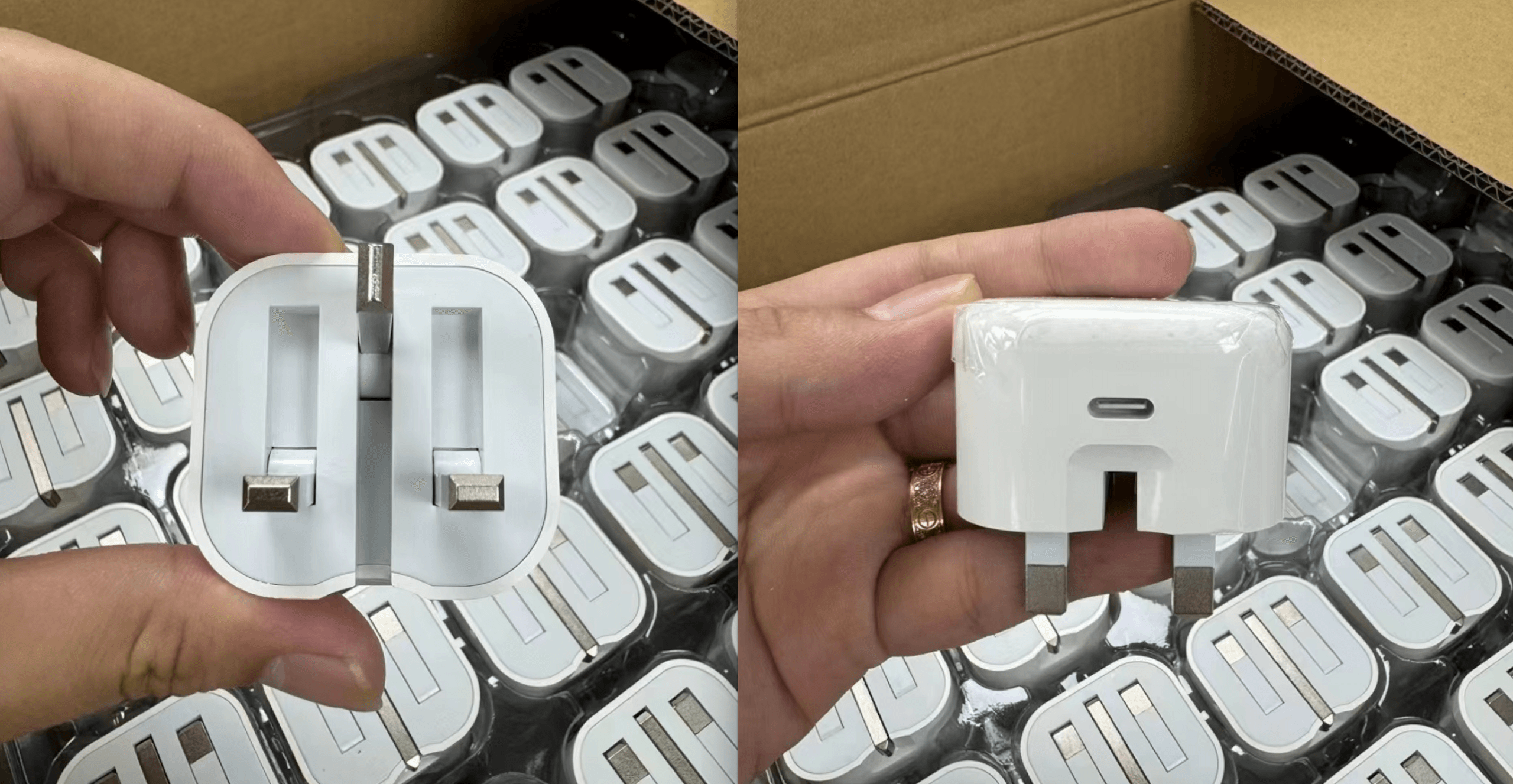
For example, our wireless audio products focus on modern appearance design, stable Bluetooth connection and user-friendly functions. Portable power banks are developed with attention to battery safety, charging efficiency and practical daily usage. GaN chargers are designed for compact size, higher efficiency and modern fast-charging requirements.
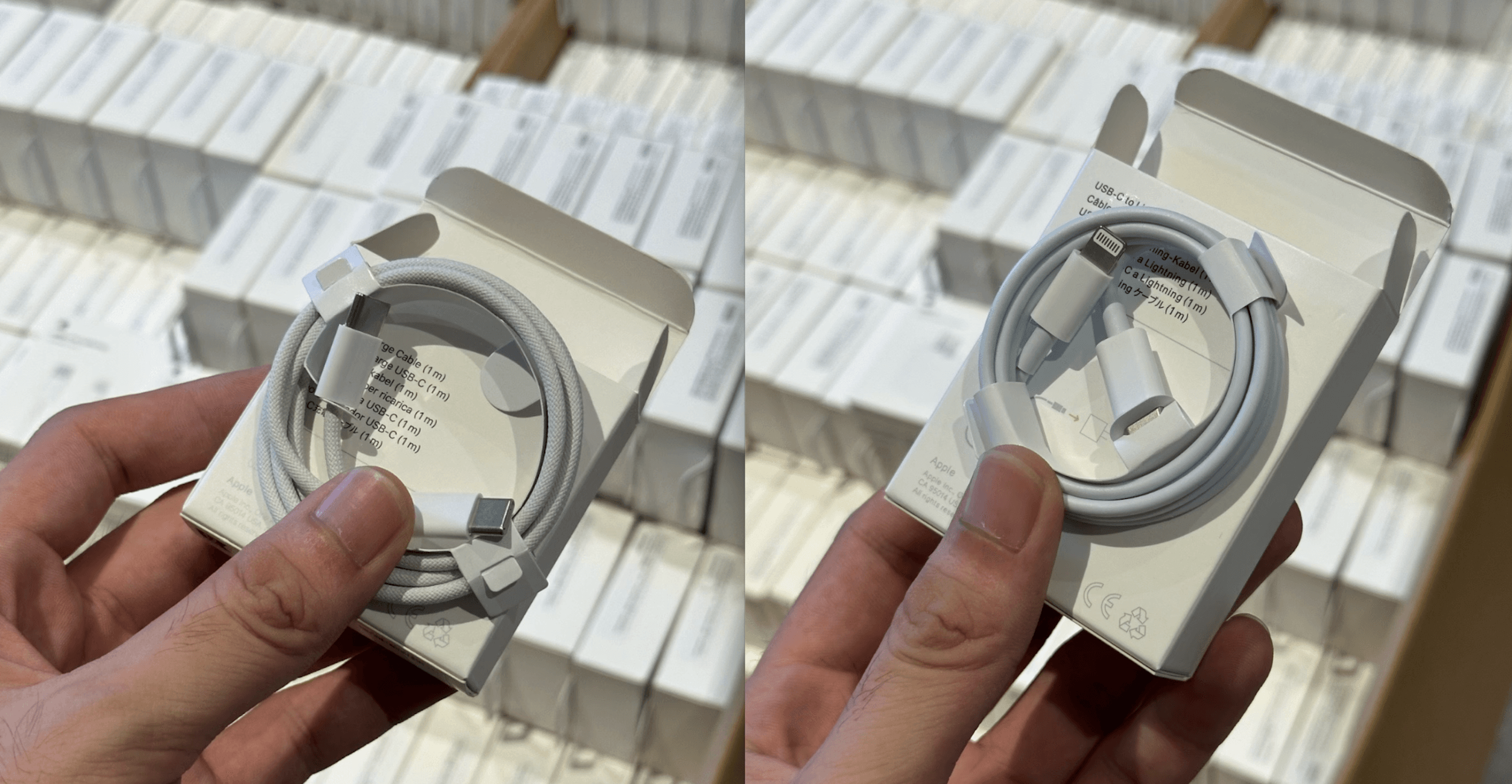
Charging cables include Type-C and Lightning solutions with attention to internal conductor quality, durability and charging performance. Magnetic charging products focus on connection stability, charging convenience and product compatibility.By combining multiple product categories, we help customers simplify supplier management. Instead of coordinating with several factories for different accessories, buyers can work with one experienced manufacturing partner.
This integrated supply capability is especially valuable for distributors, online retailers and private-label brands that need a complete product portfolio.
OEM and ODM Manufacturing: Turning Ideas Into Market Products
Many buyers are not only looking for existing products. They are looking for manufacturing partners who can help improve products, customize designs and create unique market solutions.Our OEM and ODM service allows customers to customize products according to their brand positioning, target market and functional requirements.
From early product discussions to sample development, packaging customization and mass production, we support customers throughout the entire manufacturing process.A professional OEM factory should not simply follow customer instructions. It should also provide manufacturing suggestions based on experience, helping customers avoid potential problems before mass production.This is the difference between a simple supplier and a long-term manufacturing partner.
Quality Control, Compliance and Procurement Risks.Quality Control Begins Before Production
For international buyers, product quality is one of the most important factors when selecting a China mobile accessories manufacturer. However, quality should not be understood simply as whether a finished product works when it is taken out of the box. For electronic accessories, long-term reliability depends on the quality of raw materials, component selection, assembly processes, electrical protection, testing procedures and consistency between production batches.
This is particularly important for products involving batteries, charging circuits and power conversion. A wireless earbud, power bank, GaN charger or magnetic charging product may have an attractive appearance, but the external appearance alone cannot reveal whether the internal components are reliable. For this reason, a professional manufacturing process must place quality control throughout the entire production cycle rather than relying only on a final inspection.
Our approach is based on process control. The objective is to identify potential problems as early as possible, before they become large-scale production issues. Incoming materials need to meet defined requirements, production processes need to remain stable, functional performance needs to be verified, and finished products need to pass appropriate inspection before shipment.
This approach is particularly valuable for overseas customers because a quality problem discovered after the goods have arrived in another country can be significantly more expensive to resolve than a problem identified at the factory. International freight, customs procedures, local warehousing, replacement costs and customer complaints can all increase the real cost of a quality issue.A professional factory therefore treats quality control as part of manufacturing management rather than as a marketing statement.
Raw Material and Component Control
The quality of a finished mobile accessory is closely connected with the quality of the components used to manufacture it. This is particularly evident in power-related products, where batteries, charging ICs, circuit boards, connectors, cables and protection components can directly affect safety and performance.
For power banks, for example, buyers should pay attention not only to the advertised capacity but also to the actual battery cells, protection circuit and conversion efficiency. A product labelled as 5,000mAh does not mean that the user will receive the full nominal capacity as usable output. Energy conversion losses naturally occur during charging and discharging, and the quality of the battery management system can influence both performance and safety.
The same principle applies to chargers and charging cables. A charger may display an impressive power rating, but the actual customer experience depends on power delivery protocols, component quality, thermal management and circuit design. Similarly, a cable with a visually similar connector may perform very differently depending on its conductor structure, materials and internal construction.For this reason, a serious buyer should avoid evaluating a factory solely by product photographs or catalogue specifications. Manufacturing quality is determined by what is inside the product as much as by what is visible on the outside.
Manufacturing Consistency Matters More Than a Single Good Sample
One of the most common mistakes made by new buyers is to evaluate a supplier based on one excellent sample and assume that the same quality will automatically continue throughout mass production.In reality, a sample and a mass-production order represent two different stages of manufacturing. A sample may receive additional attention during development, while a large production order requires the factory to maintain the same specifications across hundreds, thousands or potentially much larger quantities.
This is why production consistency is one of the most important indicators of a capable mobile accessories factory. Colour, dimensions, materials, charging performance, connection stability, battery behaviour, packaging and functional performance should remain within defined specifications across production batches.For a brand owner, this consistency directly affects customer reviews and repeat purchases. If the first batch performs well but a later batch has noticeably different quality, the problem is no longer limited to manufacturing. It can damage the reputation of the brand itself.
A reliable OEM/ODM manufacturer therefore needs production procedures that can translate an approved sample into a repeatable manufacturing standard.
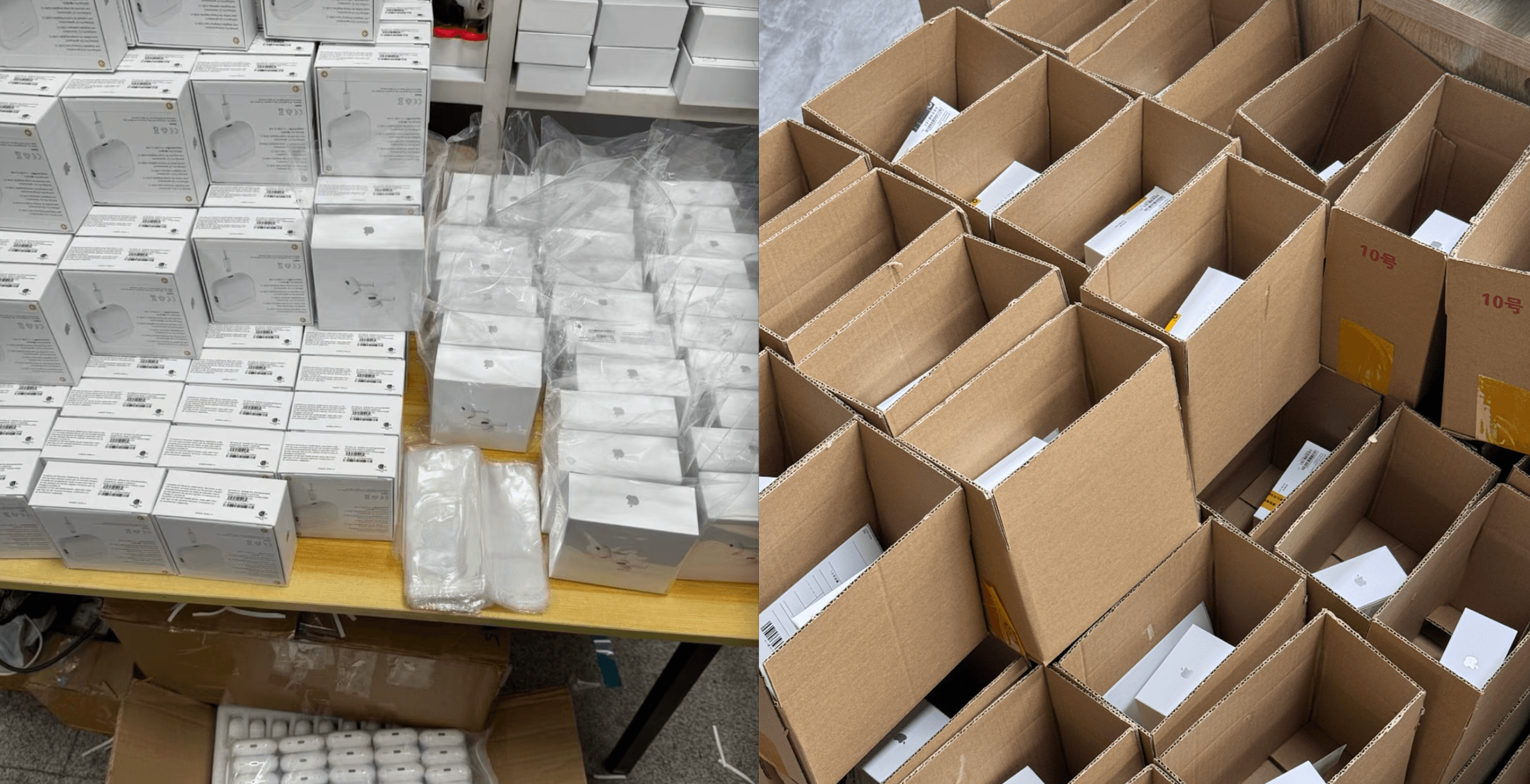
Compliance Is Part of Product Development
For overseas buyers, product compliance is another area that requires careful attention. Different markets may have different regulatory requirements, testing expectations and documentation requirements. A product intended for the European market may not necessarily follow exactly the same compliance pathway as a product intended for the United States or other regions.
Depending on the product category and target market, relevant requirements may include CE, RoHS, FCC, 3C and other applicable certifications, declarations, test reports or transportation-related documentation. Battery-powered products can require additional attention because lithium battery transportation and safety requirements involve considerations beyond ordinary consumer electronics.
However, buyers should also understand that a certificate alone does not automatically guarantee the quality of every production batch. Compliance documents and actual manufacturing quality are related but separate issues.A responsible factory should understand the difference between product compliance, component compliance and actual production control. If a component is changed after testing, for example, the original test result may no longer accurately represent the final product. This is why engineering control and production discipline are essential.
For international procurement, buyers should communicate the destination market before production begins. The target country, sales channel and product category can all influence the applicable compliance requirements.
What Overseas Buyers Should Look for When Choosing a China Factory
Price is naturally important in international procurement, but it should not be the only decision-making factor.A supplier offering the lowest quotation may appear attractive at the beginning, but the actual procurement cost can become much higher if the buyer later encounters unstable quality, delayed shipments, excessive defect rates, missing documentation or poor after-sales support.
Experienced buyers therefore evaluate a supplier from a broader perspective. They want to understand where the products are actually manufactured, how the factory manages production, who controls quality, whether customization is available, how samples are handled and what happens if a quality issue occurs after delivery.This is particularly important when sourcing from China because the market contains many different types of suppliers, including factories, trading companies, distributors and companies that combine manufacturing with external sourcing.
Working with a trading company is not necessarily wrong. However, buyers should understand who is actually responsible for manufacturing and quality control. When the supply chain contains too many layers, communication can become slower and it may become more difficult to identify the root cause of a product problem.For long-term cooperation, direct communication with the manufacturing source can provide significant advantages. Product specifications can be discussed directly with the technical team, production problems can be communicated more quickly and customization requirements can be handled with greater flexibility.
The Hidden Risks Behind Extremely Low Prices
One of the most important procurement lessons in the mobile accessories industry is that an unusually low price should always be investigated rather than immediately celebrated.There are many possible reasons for a low quotation. The supplier may be using lower-cost materials, simplifying the internal design, reducing testing procedures, changing components, excluding certain packaging requirements or simply calculating the quotation differently.
The problem is not that lower-cost manufacturing is always unacceptable. The real problem occurs when the buyer does not know what has been changed to achieve the lower price.For branded products, this can become particularly dangerous. A small saving in manufacturing cost may appear attractive, but if the product generates a high return rate or negative reviews, the resulting loss can exceed the original saving by many times.
The better approach is to compare quotations based on the same specifications. Buyers should confirm materials, components, functions, packaging, testing requirements, certification requirements, warranty conditions and shipping terms before deciding which quotation is genuinely competitive.

Do Not Skip the Sample and Pre-production Confirmation
A sample is not merely something to check visually. It is an opportunity for the buyer and factory to establish the exact product specification that will later become the basis for mass production.For mobile accessories, the approved sample should ideally establish the appearance, materials, colour, dimensions, functions, charging behaviour, packaging and other critical details relevant to the order.
This is especially important for OEM projects. If the customer requests a logo, packaging design or functional modification, these details should be confirmed before production rather than being discussed informally after manufacturing has already started.Clear product specifications protect both sides. They reduce misunderstandings and provide a reference when evaluating production quality.
Communication and Documentation Are Part of Manufacturing Quality
A professional manufacturing relationship depends on more than machinery and production lines. Technical communication is equally important.International customers may have different expectations regarding packaging dimensions, labelling, manuals, plug types, charging standards, language requirements and market regulations. A factory that can communicate these details clearly before production can significantly reduce the risk of errors.
For this reason, our OEM/ODM cooperation process places importance on confirming specifications before mass production. Product information, customization requirements and production expectations need to be clearly communicated so that the final manufacturing result matches the buyer’s intended market positioning.For international customers, this communication process can be particularly valuable because it reduces the uncertainty that naturally exists when production takes place thousands of kilometres away.
Why Product Safety Cannot Be Treated as an Optional Feature
Mobile accessories increasingly involve high-speed charging, lithium batteries, wireless power transfer and compact high-density electronic components. These technologies provide convenience, but they also increase the importance of proper engineering and safety protection.
Power banks require appropriate battery management and protection. Chargers need suitable electrical protection and thermal management. Magnetic charging products require careful consideration of charging efficiency, heat generation and connection stability. Cables must be manufactured with appropriate internal construction for their intended current and charging requirements.
The purpose of safety design is not only to pass a test. It is to make the product more reliable during normal use and abnormal conditions.This is why experienced manufacturers consider protection mechanisms and product safety during engineering development instead of treating them as an afterthought.
A Complete Supply Chain Is a Practical Advantage for Buyers
China’s mobile accessories manufacturing industry benefits from a highly developed electronics supply chain. Components, materials, packaging and supporting manufacturing services can be sourced within a relatively concentrated industrial ecosystem.For an OEM/ODM factory, this ecosystem makes it possible to coordinate different parts of product development and production more efficiently.
This is particularly useful when a customer wants to build a product family rather than purchase a single item. A brand may require wireless earbuds, charging accessories, power banks and cables that share a common visual identity and packaging strategy. Managing these products through one manufacturing partner can simplify development and improve consistency across the range.
This integrated approach can also make future product development easier. Once a factory understands a customer’s quality standards, packaging preferences and target market, future projects can often move more efficiently from concept to sample and from sample to production.
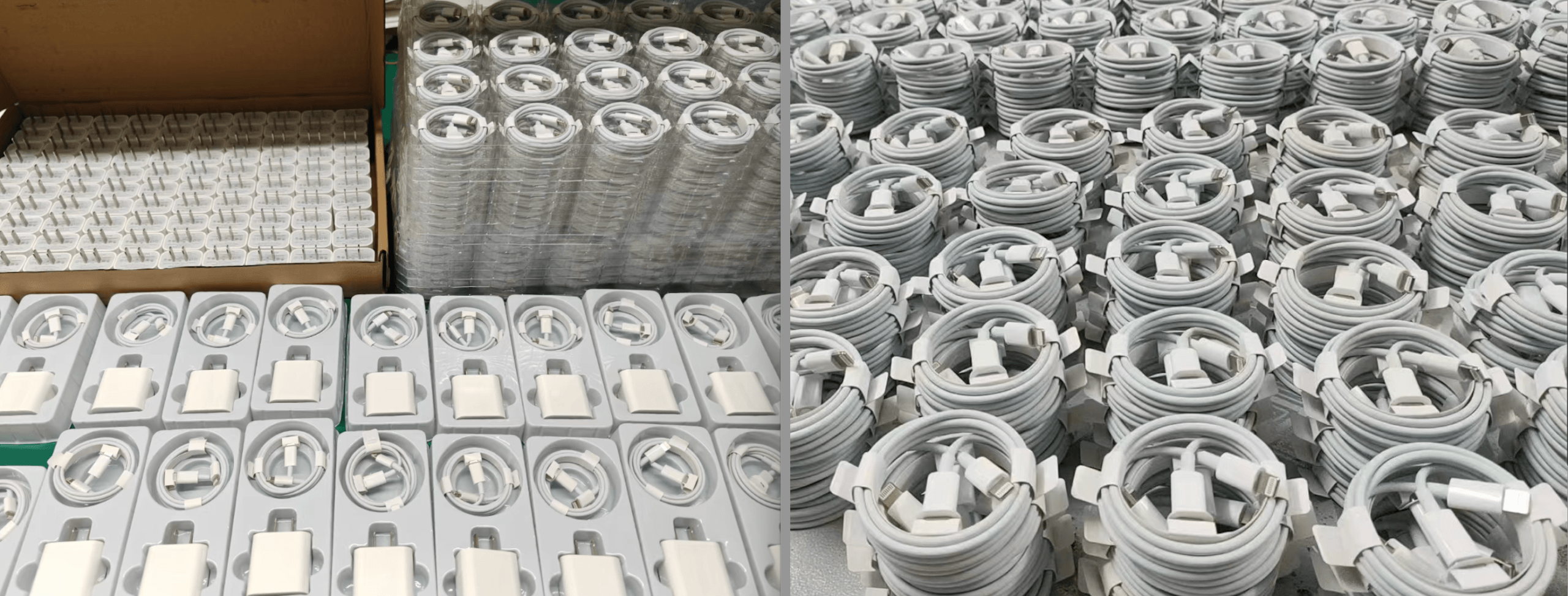
After-Sales Support, Long-Term Partnership and Global Procurement
For an international buyer, the relationship with a mobile accessories manufacturer does not end when the goods leave the factory. In fact, the quality of a supplier is often tested most clearly after delivery. Even when a factory maintains strict production standards, issues can occasionally occur during transportation, warehousing, distribution or end-user operation. What matters is how efficiently the manufacturer responds when a problem is identified.
after-sales service should not be considered an additional service added after production. It should be part of the overall manufacturing relationship from the beginning.For our customers, the objective of after-sales support is to identify the nature of a problem, determine whether it is related to manufacturing, transportation, storage or usage, and then establish an appropriate solution based on the actual
This approach is particularly important for electronic products because different types of failures require different solutions. A charging problem, battery-related issue, connectivity problem, cosmetic defect or packaging issue cannot necessarily be handled in the same way.A responsible factory should therefore avoid making assumptions before understanding the problem. Technical communication, photographs, videos, product information, batch details and other relevant evidence can help identify the cause more accurately.The purpose is not simply to determine who is responsible. The more important objective is to prevent the same problem from affecting future production.
Building a Long-Term China Supply Chain
For a company purchasing mobile accessories regularly, constantly searching for a new supplier can consume considerable time and resources.Every new supplier requires product evaluation, sample testing, price negotiation, quality confirmation, packaging communication and production verification. If the relationship is changed repeatedly, these processes have to be repeated.
By contrast, a stable manufacturing partnership allows both sides to accumulate experience.The factory becomes familiar with the customer’s quality expectations, packaging standards, communication preferences and target market. The customer also gains a better understanding of the factory’s production capabilities and development process.Over time, this shared knowledge can reduce development time, improve communication efficiency and make new product launches easier.
For brands planning to expand their product range, this can become a meaningful competitive advantage.

Leave a Reply