 Get 30% Off On Selected Items

Why Should Businesses Develop Their Own Custom Phone Accessories?
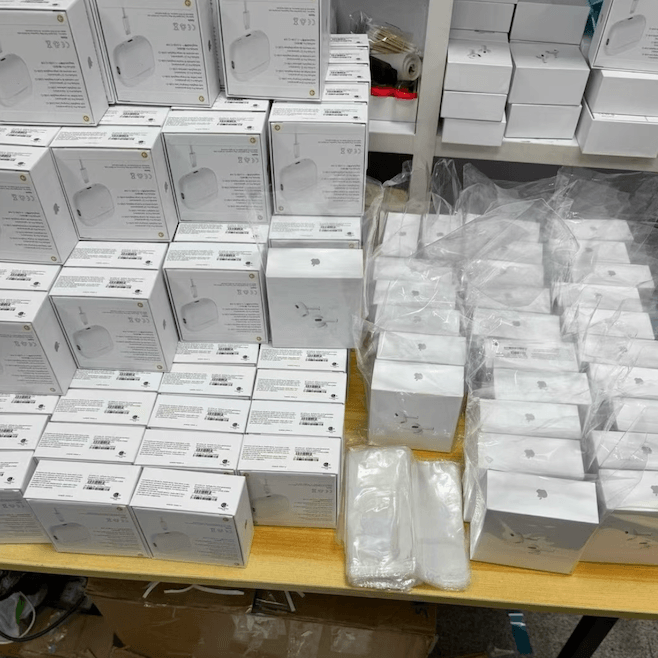
For businesses selling phone accessories, the product itself is often more important than the sales channel.The market is already filled with power banks, chargers, USB cables, magnetic chargers and wireless earbuds based on standard moulds. Many of these products share almost identical shapes, specifications, functions and even the same supply chain. Different sellers may purchase the same product, add a basic logo and then sell it through marketplaces, independent websites, social media or retail channels.
This model can reduce development costs and shorten the time required to enter the market. However, once numerous sellers begin offering the same product, a major problem appears: there is little product recognition, consumers cannot remember the brand, and sellers have to compete increasingly on price.The result is a familiar cycle: similar products, similar specifications, similar marketing images and continuously decreasing margins.
The long-term solution is not simply to find a cheaper generic product. It is to gradually develop a product system that belongs to the brand itself.Product customisation does not mean redesigning every component or investing in expensive moulds for every new product. For phone accessories, customisation can begin with a logo, colour, packaging, surface finish, functional configuration or accessory combination and gradually progress into complete OEM and ODM development.
For businesses building a long-term brand, customisation is not simply about putting a logo on a product. It is about transforming an ordinary supplier product into a recognisable brand asset.
Why Are Generic Products Becoming More Difficult to Profit From?
Generic products have several obvious advantages. They are already developed, moulds are available, production processes are established and buyers can enter the market quickly without paying significant development costs.However, the same advantage creates a major commercial weakness.Anyone can purchase the same product.
When the same power bank is offered by ten, fifty or even hundreds of sellers, the product itself can no longer provide a meaningful reason for consumers to choose one seller over another.Imagine two websites selling visually identical products with the same capacity and charging specifications. One sells for £19.99 and the other for £15.99. Price becomes the easiest point of comparison.
This is how generic products create price competition.Once one seller reduces the price, competitors are pressured to respond. At the same time, advertising costs, platform commissions, logistics expenses and customer-service costs continue to rise. Revenue may increase while actual profit declines.An even more important issue is brand recognition.
Even after purchasing the product, many consumers may not remember which brand they bought. Over time, this makes it difficult to build branded search traffic, repeat purchases and long-term customer value.
Why Do Consumers Struggle to Remember Generic Products?
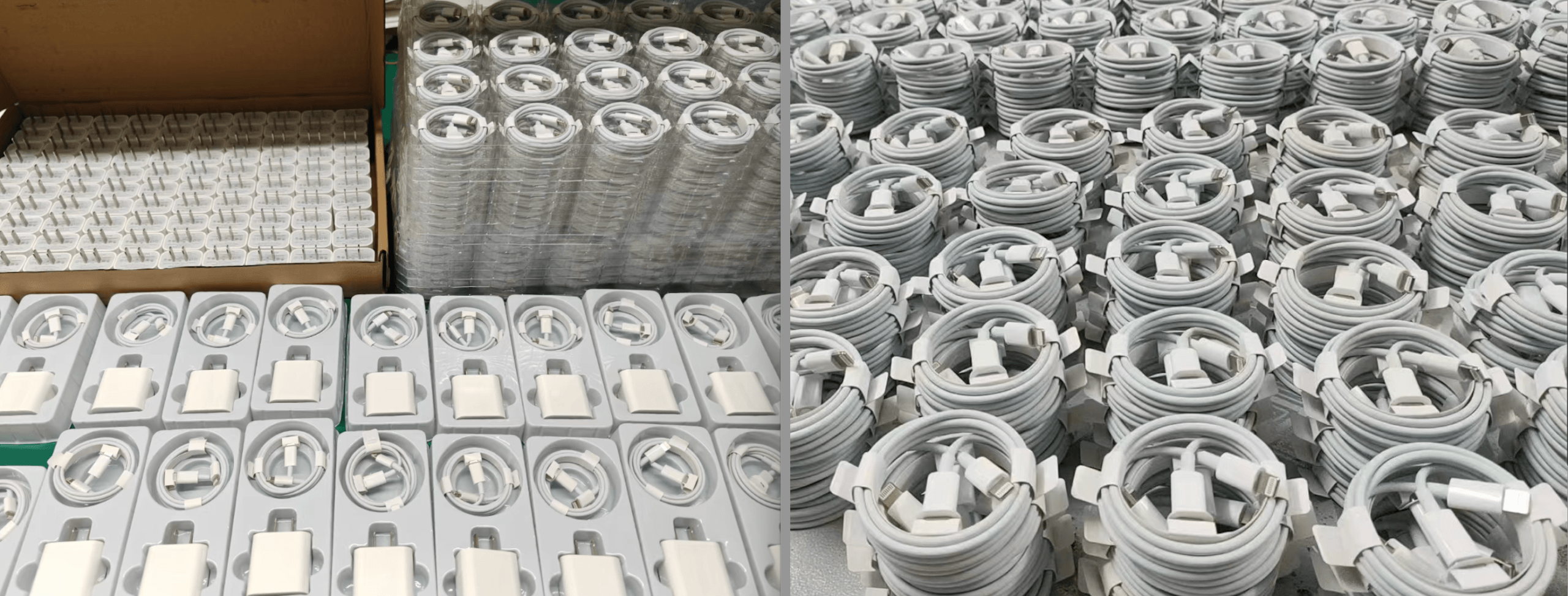
Consumers rarely remember a brand simply because a power bank has a specification such as “10000mAh, 22.5W or LED Display”.Specifications describe the product. They do not automatically create brand equity.Brand recognition usually comes from a combination of visual identity, physical experience and consistency.A consistent colour system, packaging structure, material language and product design can create a strong association between the product and the brand. Over time, consumers start recognising the product before they even read the brand name.
That recognition is built across products, packaging, websites, social media and customer experience.Generic products struggle to achieve this because the same design may be sold by many different suppliers.Customised products allow a business to create a recognisable visual and physical identity, even when the underlying product begins with an established mould.
The First Major Benefit of Custom Products: Becoming Memorable
Consumers are exposed to thousands of brands every day.If your product looks identical to everything else on the market, there is little reason for the customer to remember it after the purchase.Customisation creates multiple points of recognition.
The product can carry your colours and logo. The packaging can follow the same visual identity. Manuals, labels and accessories can use consistent design. Website photography can reinforce the same product language. Social media content can display a recognisable product family.The customer no longer sees a generic power bank. They see a product that belongs to a specific brand.
That is brand recognition.The strongest brands do not need to explain who they are every time. Consistency allows customers to recognise the brand through the product itself.
A Logo Is More Than a Printed Mark
Many businesses define customisation simply as putting a logo on a product.That is only the starting point.The value of a logo depends on how it interacts with the product design.A minimalist brand, for example, may be weakened by an oversized graphic printed on an otherwise clean product. A well-designed logo placement, combined with a consistent colour palette, material finish and packaging system, creates a stronger brand identity.For frequently used products such as power banks, chargers, earbuds and magnetic chargers, the logo may become a daily visual reminder of the brand.The more frequently a product is used, the more opportunities the customer has to interact with the brand.
Why Does Custom Packaging Matter?
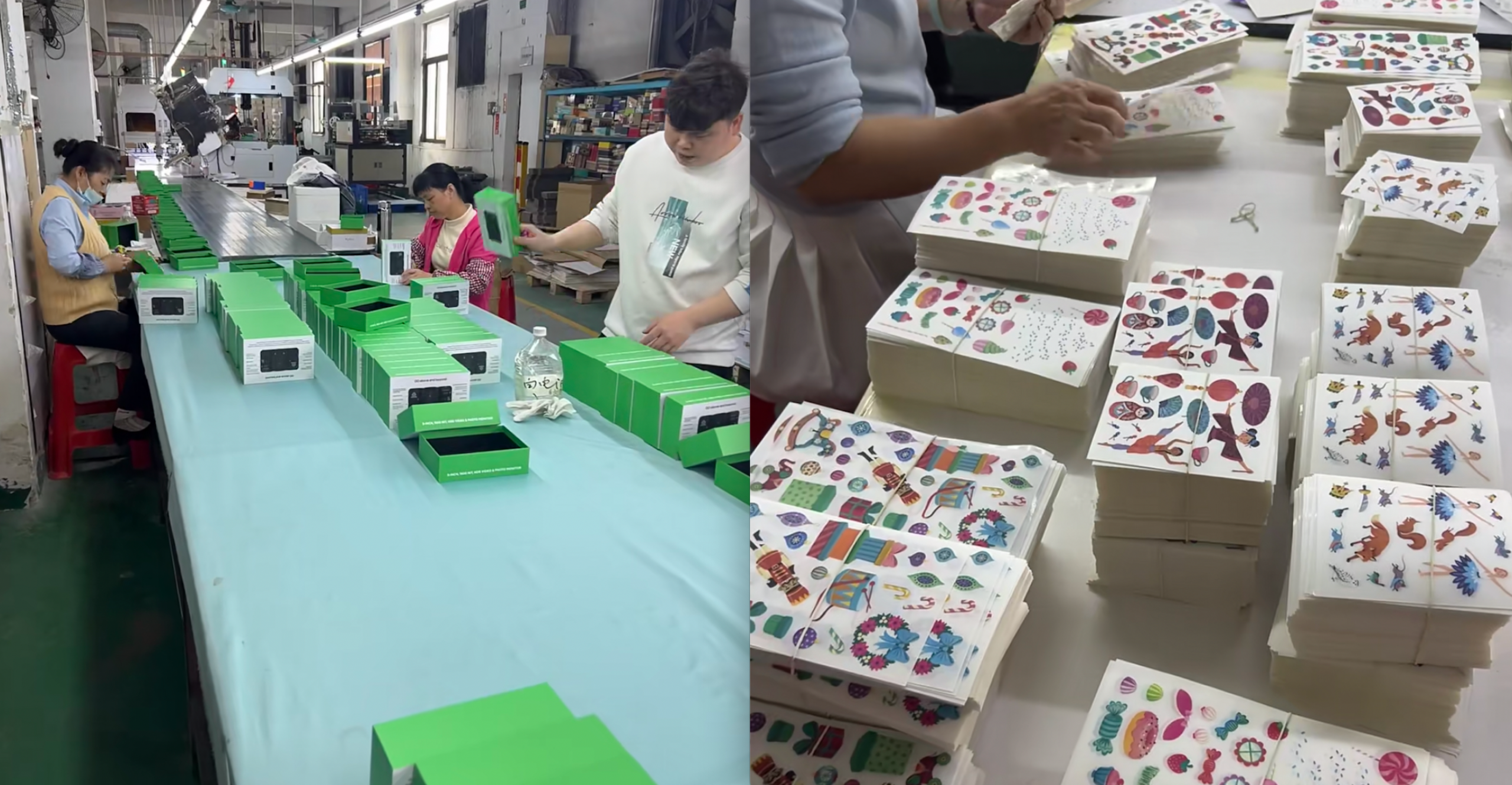
Consumers often experience the packaging before they experience the product.Packaging is therefore more than a protective shipping material. It is part of the product’s perceived value.A generic white box, plastic bag or standard carton communicates very little about brand identity.Custom packaging can communicate the brand, product positioning and level of professionalism simultaneously.
Colours, typography, product photography, technical information and internal packaging structure can all be designed consistently.When the customer receives the product, the packaging has already delivered the first brand message.This is particularly important for independent websites, Amazon listings, wholesale distribution and retail channels where customers may never speak directly with a salesperson.
Product Customisation Creates Real Differentiation
Logo customisation alone may not create long-term differentiation if every seller uses the same mould.Deeper customisation starts with the product itself.A power bank can be customised through housing colour, surface texture, display layout, magnetic structure, port configuration, capacity and button design.A GaN charger can be differentiated through colour, folding plug design, port arrangement, power distribution and physical dimensions.
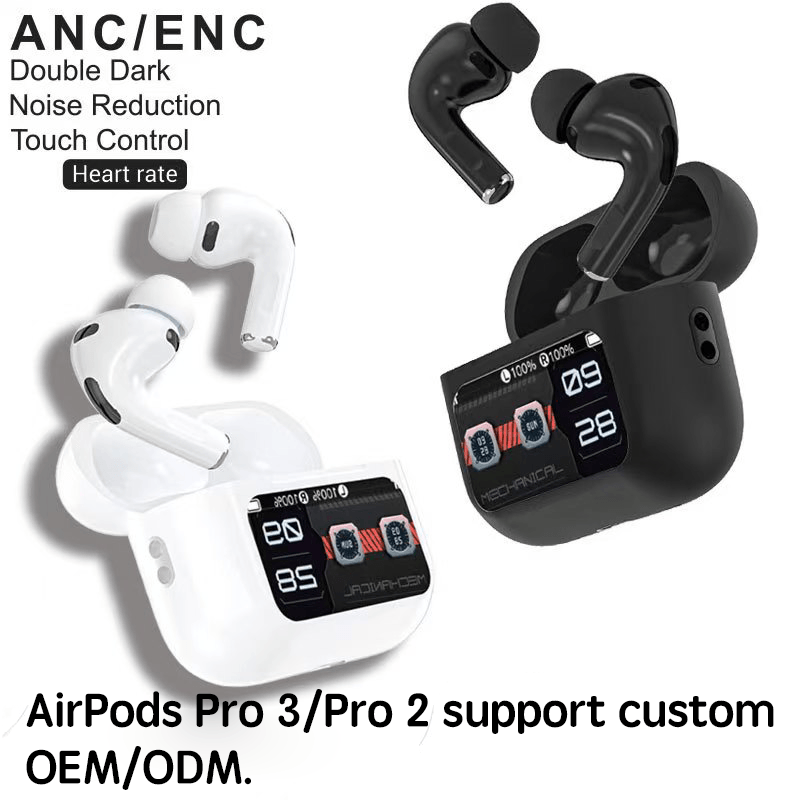
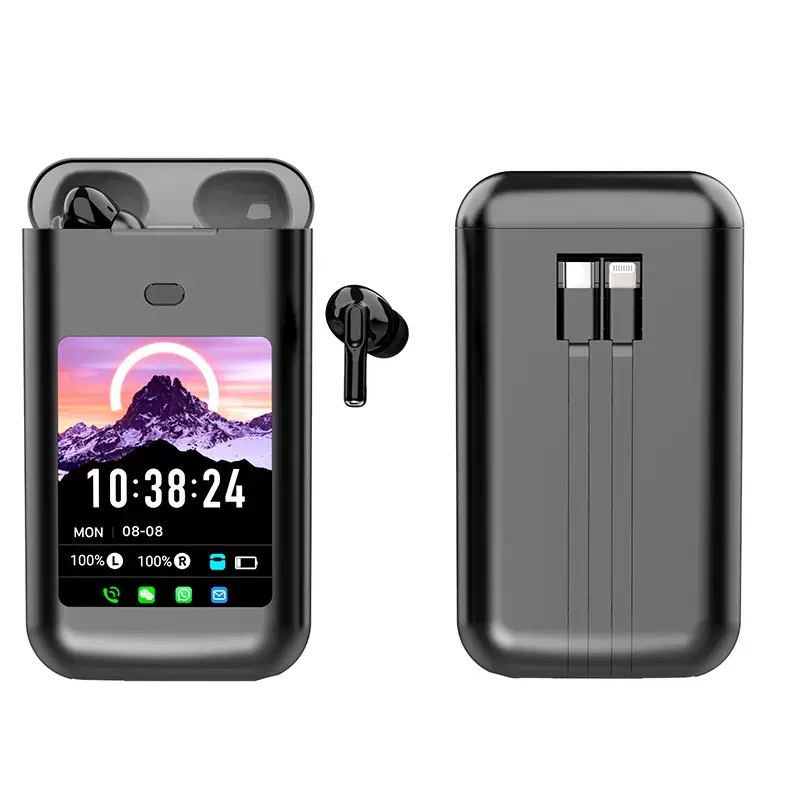
A magnetic charger can be developed around magnetic strength, thickness, surface material, stand structure and charging combinations.Wireless earbuds can be customised through housing design, charging case appearance, lighting, control logic, packaging and accessory combinations.These elements work together to create a product that is visually and functionally different from generic market offerings.Differentiation does not always mean inventing an entirely new category. It can simply mean creating enough product identity for the customer to recognise that the product is not interchangeable with every other option.
Why Can Custom Products Improve Margins?
Margin compression is one of the most serious disadvantages of generic products.When dozens of sellers offer the same product, customers can compare prices instantly.Custom products change the comparison model.Once a product has unique visual elements, packaging, specifications and brand identity, customers are no longer comparing only product price.They begin comparing design, perceived quality, brand credibility, user experience and overall value.This is how an ordinary commodity begins to become a branded product.Customisation does not automatically justify a higher selling price. Product quality, reliability and brand positioning still matter.However, customisation creates additional value that generic products often cannot provide.
Customisation Reduces Dependence on Price Competition
For independent websites, this difference is particularly significant.When the same product appears across many websites, customers can compare the exact same item immediately after clicking an advertisement.The seller pays for the traffic while the market determines the price.With customised products, the customer is evaluating your specific product rather than an interchangeable generic item.This makes advertising, SEO, content marketing and social media more valuable because the traffic is being directed toward a unique product asset owned by the brand.That is why long-term businesses increasingly move toward OEM and ODM development rather than relying entirely on standard products.
Custom Products Build Stronger Brand Equity
Brand equity is not created by slogans alone. It develops through repeated exposure and consistent experience.A customer may first notice a custom product because of its appearance.When they see another product from the same brand with similar design language, recognition begins to form.Over time, the customer may no longer need to compare dozens of unknown brands.Phone accessories are particularly suitable for this approach because they are frequently used, highly visible products.Chargers, power banks, earbuds and cables appear in customers’ daily routines, giving brands repeated opportunities to build familiarity.A brand that physically enters the customer’s everyday life can build stronger recognition than a brand that exists only in advertisements.
Customisation Makes It Possible to Build a Product Family
A serious brand eventually needs more than one product.It may expand from power banks into GaN chargers, USB cables, magnetic chargers, wireless earbuds, car chargers and desktop charging accessories.If every product is sourced as a completely unrelated generic item, the brand becomes visually fragmented.A structured customisation system allows every product to share the same design language.Logo placement, colours, surface finishes, packaging and user experience can remain consistent across categories.The result is a recognisable product family rather than a collection of unrelated SKUs.
Custom Products Can Also Support Repeat Purchases
Many businesses focus almost entirely on the first transaction and overlook customer lifetime value.A generic product often creates weak brand attachment.A coherent custom product range can encourage customers to remain within the same ecosystem. A customer who buys a magnetic power bank may later purchase the same brand’s magnetic charger, cable or travel charger.This creates cross-selling opportunities and stronger customer retention.Generic products rarely achieve this effectively because there is often no strong product identity connecting different purchases.
Customisation Does Not Always Require a New Mould
One of the biggest misconceptions about OEM is that every customised product requires a completely new mould.In reality, customisation can be introduced in stages.The process may begin with branding and packaging. It can then expand to colours, materials, surface finishes, accessories and product combinations.Once sales volume justifies further investment, structural modifications or dedicated moulds can be introduced.This gradual approach allows businesses to match development investment with actual market demand.
Why Is a Source Factory Important for Product Customisation?
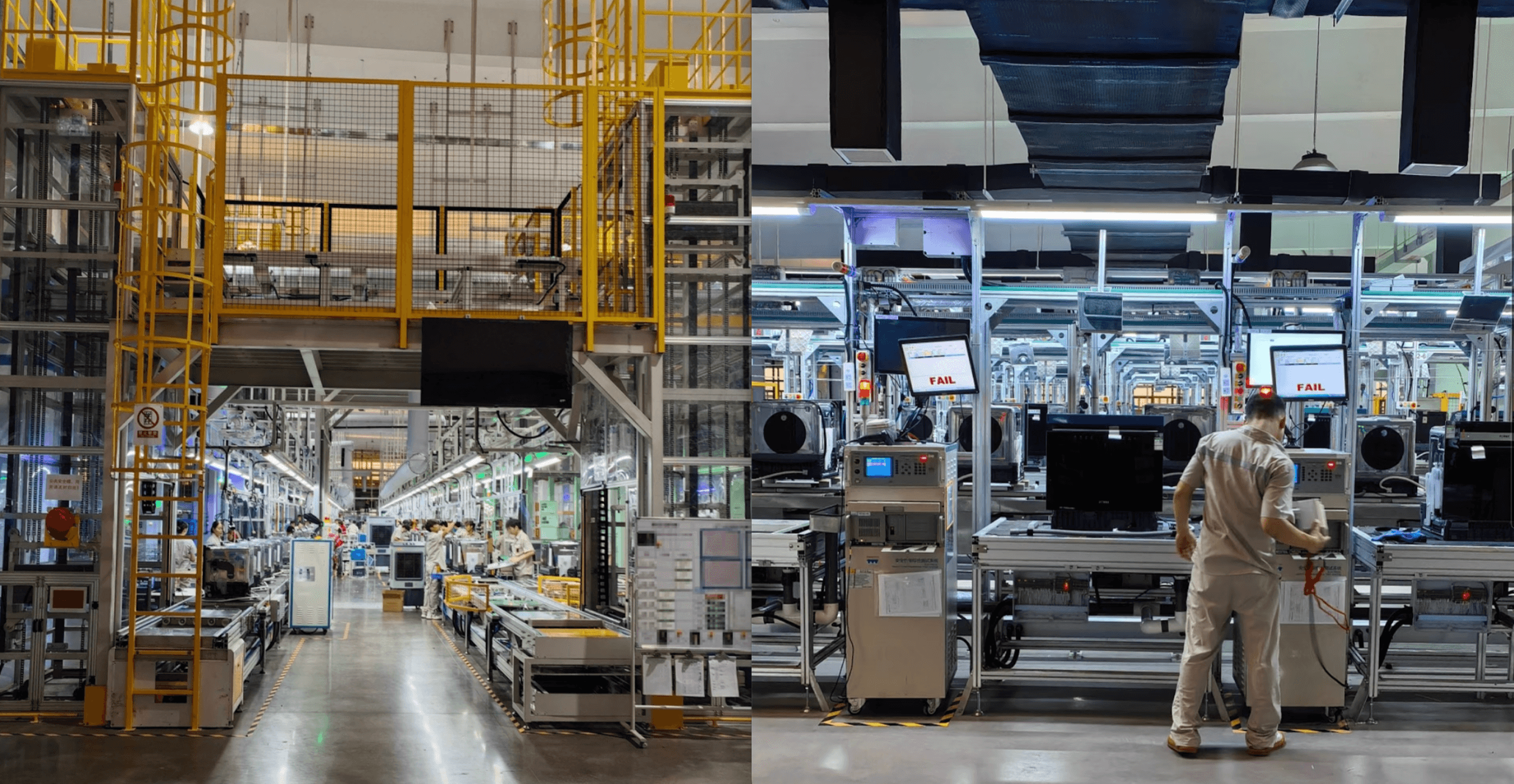
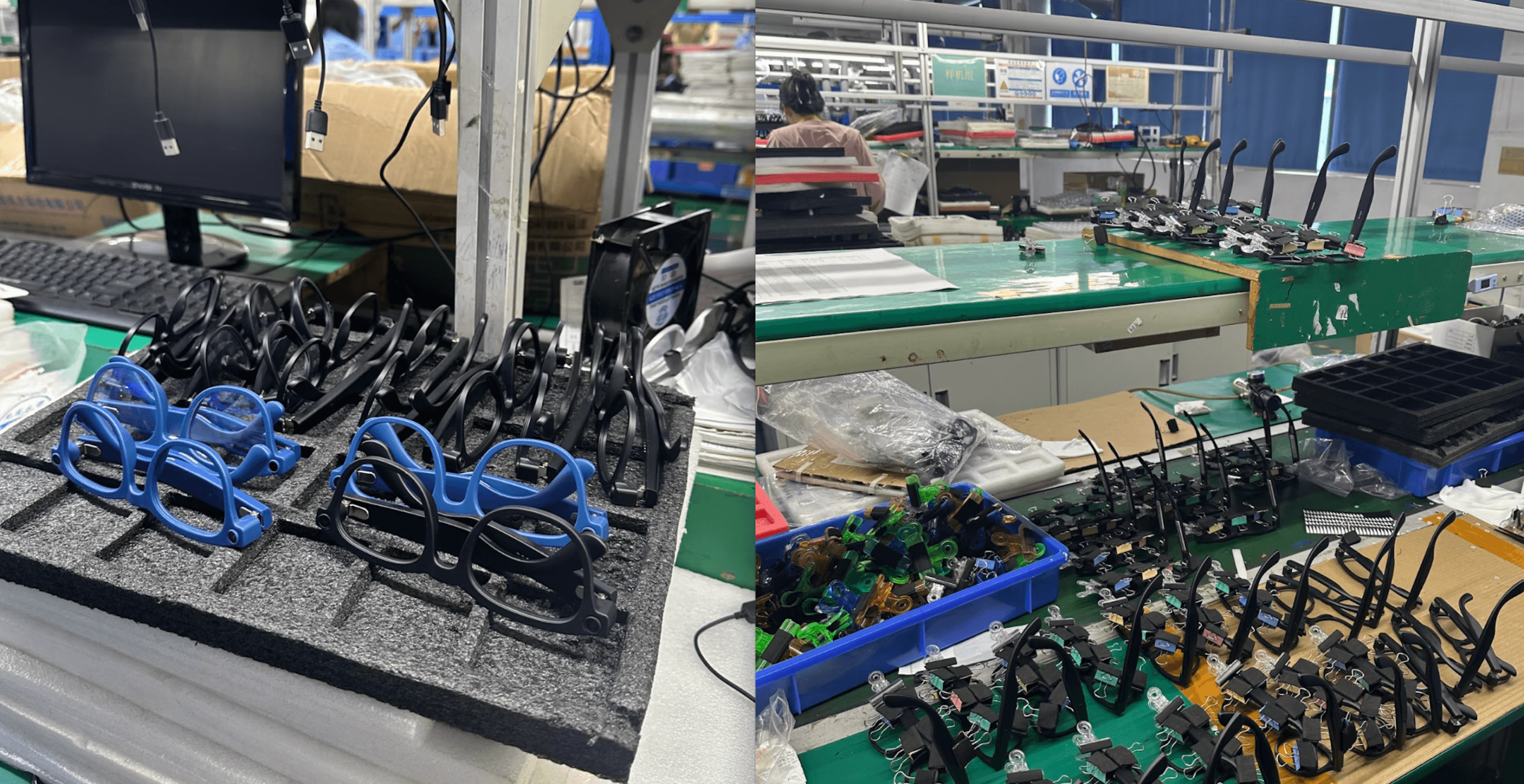
One of the biggest challenges in product customisation is not necessarily the development cost. It is communication and manufacturing consistency.When product changes must pass through sales teams, trading companies and multiple factories, even a small modification can create uncertainty in cost, lead time and quality.A source factory brings engineering, production and quality management into the same manufacturing system.Product structure, electronics, materials, production processes and packaging can therefore be coordinated more directly.For brands, this means faster sample revisions, clearer communication and better consistency during mass production.
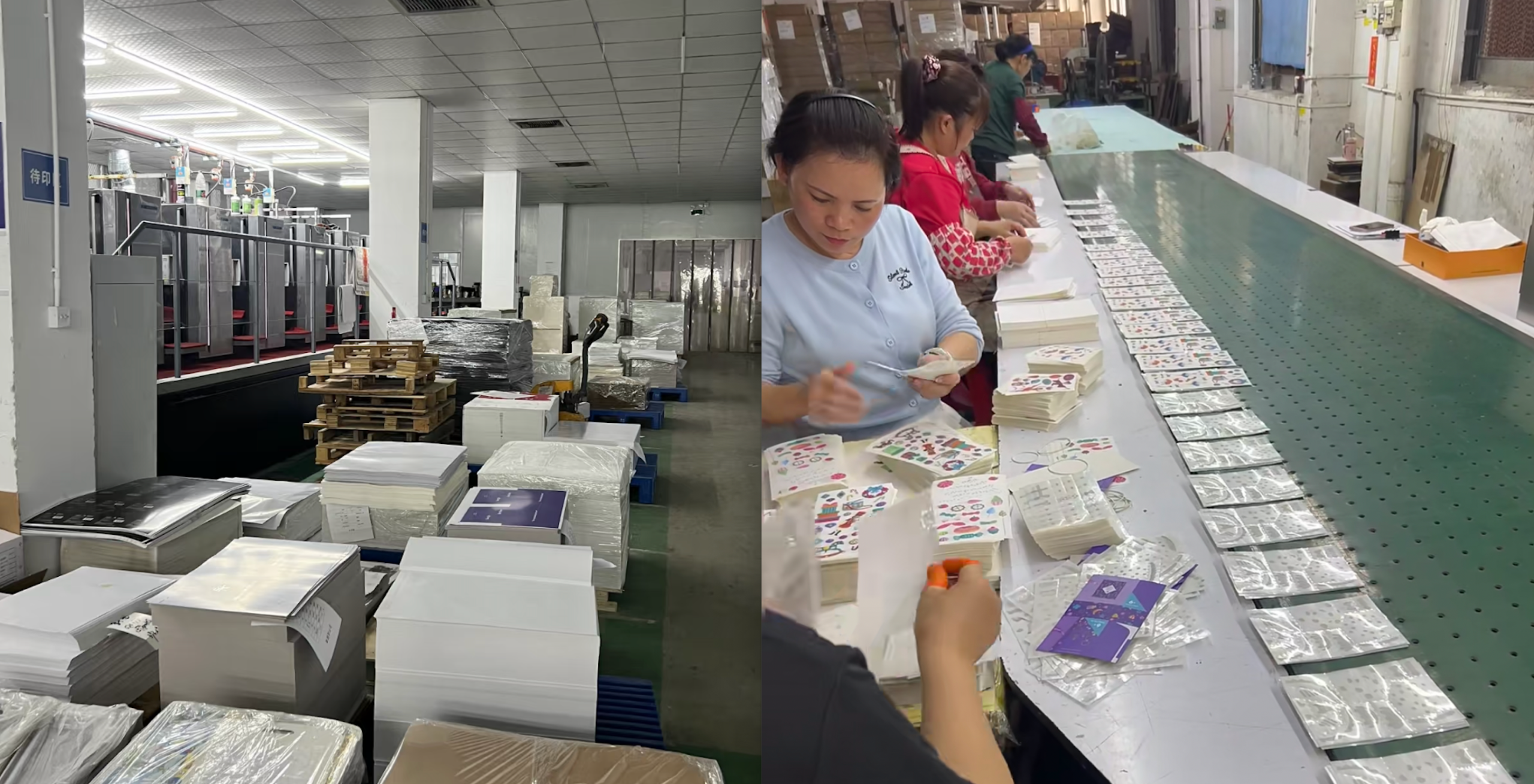
As a source manufacturer of phone accessories, we have in-house production equipment and manufacturing capabilities supporting different levels of customisation, from branded standard products to deeper OEM and ODM development across power banks, chargers, cables, magnetic charging products and wireless earbuds.For businesses building a real brand, a factory should not be viewed simply as a supplier offering a low quotation. It should become part of the product development and supply chain strategy.
Customisation Solves a Long-Term Business Problem
If a business remains dependent on generic products indefinitely, many of the same problems continue to appear:Product homogenisation.Increasing competition.Higher advertising costs.More price comparison.Lower margins.Weak brand recognition.Customisation does not guarantee that a brand will succeed, but it changes the way the business competes.The business is no longer selling “a power bank”.It is selling a power bank that belongs to its own brand.It is no longer simply offering “a magnetic charger”.It is building an identifiable product system.This may appear to be a supply-chain decision, but in reality it affects marketing, pricing, brand equity, repeat purchases and long-term profitability.
Conclusion: Your Product Should Be Recognisable Without Looking at the Brand Name
Generic products still have their place in the market.They are useful for testing demand, launching small trial orders and entering a new category quickly.However, businesses aiming to build a long-term brand, improve margins and reduce dependence on price competition should gradually move beyond generic products.True customisation is not limited to printing a logo or replacing the packaging.It begins with product design, materials, colour, structure, functionality, packaging and manufacturing quality. The goal is to create a product with a clear and consistent identity.
The product should become recognisable.Customers should remember it.They should return to it when they need another accessory.That is the real commercial value of customisation.A product is not simply an item purchased from a supplier. For a growing brand, it becomes a long-term asset that influences customer recognition, conversion, repeat purchases and profitability.For businesses serious about building their own brand, working with a source factory that has real production equipment, engineering capability and manufacturing systems can create a stronger foundation for developing a differentiated product portfolio and escaping the long-term limitations of generic product price competition.
Leave a Reply