 Get 30% Off On Selected Items

Can Long-Term Use of In-Ear Earbuds Affect Hearing? A Professional Guide to Volume, Earbud Materials, Battery Safety and Ear Health
In-ear earbuds have become one of the most frequently used personal audio devices in modern life. People wear them while commuting, working, studying, exercising, gaming, travelling and taking calls, sometimes for several hours every day.So the question is understandable:
Can long-term earbud use damage your hearing?
The answer cannot simply be “yes” or “no”.
The most important factor is sound exposure — the combination of volume and listening time. Other factors include ear-canal conditions, fit, hygiene, skin sensitivity and overall product quality.
The World Health Organization’s current safe-listening guidance states that the louder the sound and the longer the exposure, the greater the risk of hearing damage. As a reference for recreational listening, WHO states that 80 dB can be listened to for up to around 40 hours per week, while at 90 dB the safe listening time falls dramatically to about four hours per week. Repeated exposure to excessive sound can result in permanent noise-induced hearing loss and tinnitus.
However, excessive volume is not the only concern with in-ear earbuds.
Long periods of ear-canal blockage, moisture, sweat, poor fit, friction and skin reactions can contribute to irritation, dermatitis and outer-ear infections. Clinical references also show that devices worn in or around the ear can cause irritant or allergic contact dermatitis in susceptible users.
A well-designed earbud therefore needs to address much more than sound quality. Acoustic safety, ergonomics, contact materials, battery design, charging electronics and manufacturing quality all matter.
The First Major Hearing Risk: Volume, Not Simply the Fact That Earbuds Are In-Ear
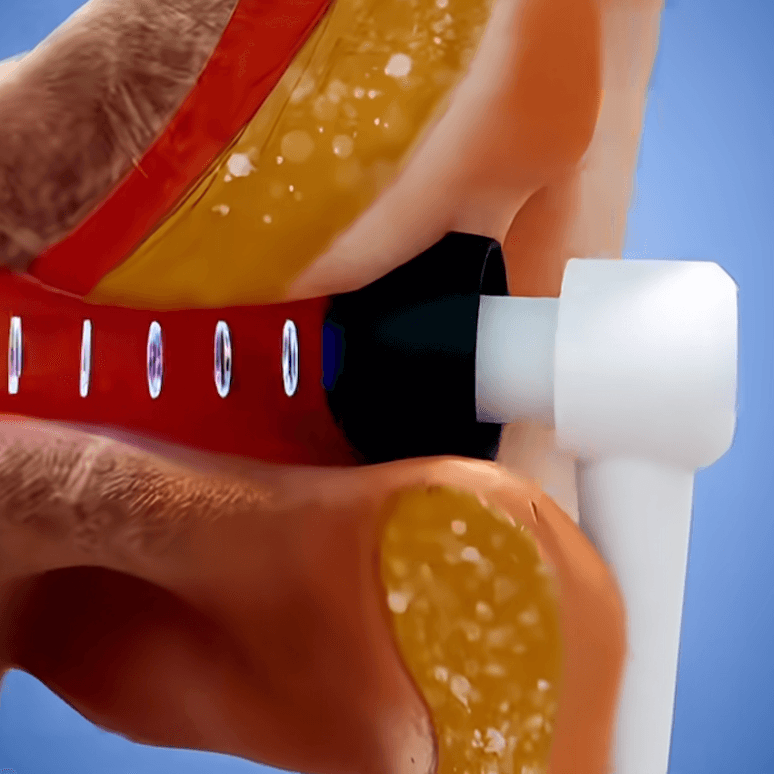
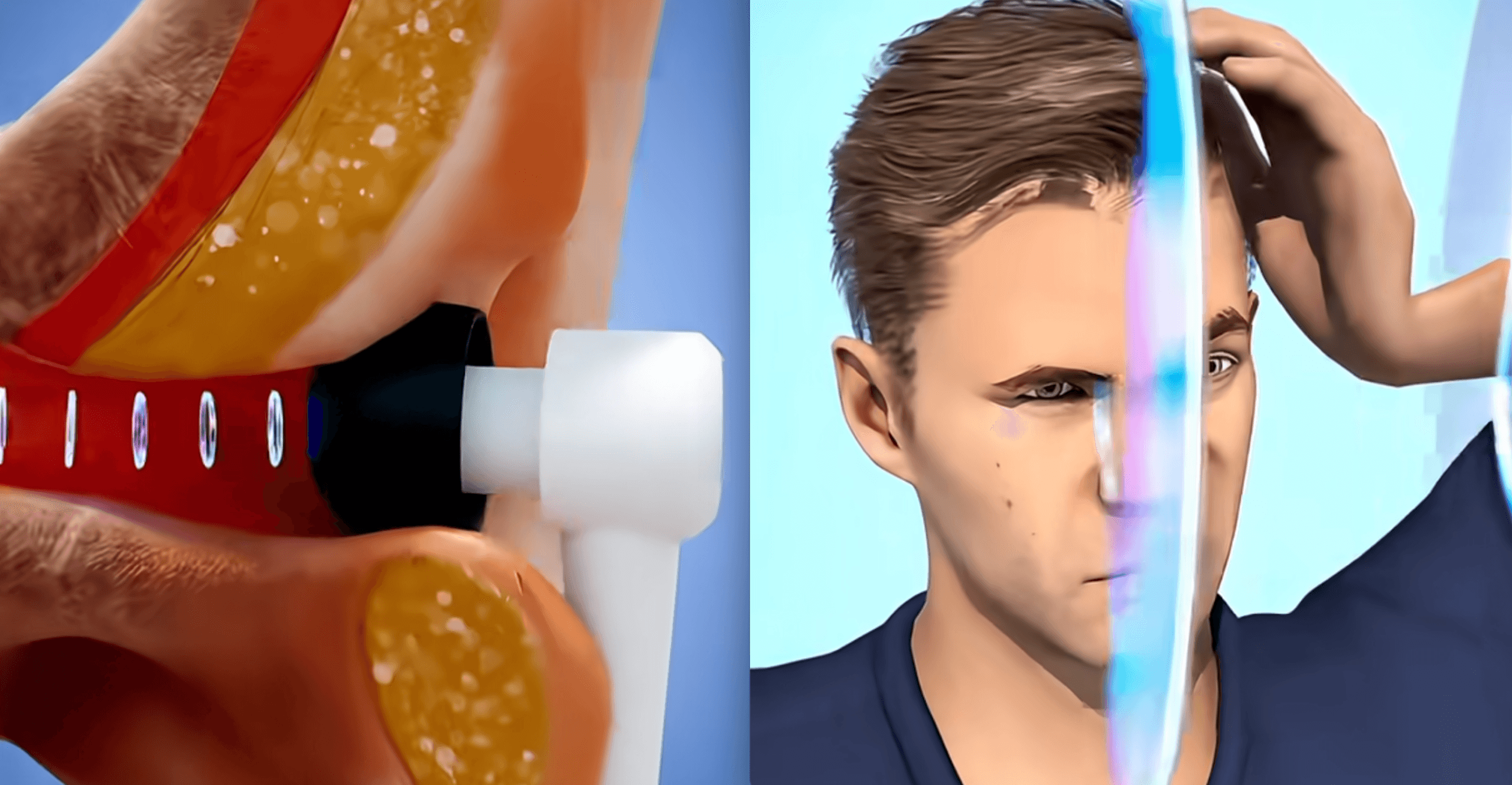
Many people assume that putting an earbud directly into the ear automatically causes hearing damage.That is not accurate.The primary cause of noise-induced hearing loss is excessive sound exposure. An in-ear design places the sound source close to the eardrum, but the design itself does not automatically create hearing loss.
WHO explains that sensory cells in the inner ear can become fatigued and damaged after excessive sound exposure. Early effects may include tinnitus or temporary muffled hearing, while repeated exposure to loud sound can cause permanent damage.
This is why two people can wear earbuds for the same amount of time but face very different risks.One person may listen to a podcast at a moderate level. Another may increase the volume dramatically because they are travelling on a noisy train.Their exposure is not equivalent.The practical formula is:
Volume × Duration × Frequency.The WHO safe-listening framework is based on this principle. As sound intensity increases, the amount of acoustic energy reaching the ear rises rapidly.
Why Can Long-Term High-Volume Listening Cause Hearing Loss?
The ear contains highly specialised sensory structures, including sensory cells within the cochlea that convert mechanical sound energy into neural signals.These cells are sensitive.Repeated exposure to excessive sound creates physical and metabolic stress. After a loud listening session, a person may notice temporary muffled hearing or tinnitus.Feeling better after resting does not necessarily mean that repeated exposure is harmless.
WHO notes that hearing damage often develops gradually and can initially go unnoticed. Early signs can include difficulty hearing high-frequency sounds or following conversations in noisy environments.This is one of the most important things consumers should understand:Hearing damage often accumulates rather than appearing suddenly.
Why Is Earbud Use More Risky in Noisy Environments?
This is one of the most common real-world scenarios.On public transport, aeroplanes, in cafés, gyms or busy offices, background noise can be significant.Users often respond by increasing the volume.The earbud itself is not necessarily damaging the ear, but the increased listening level creates a greater sound exposure.
This is one reason why well-fitted and properly designed noise-cancelling earbuds can actually support safer listening by reducing the need to turn the volume up. WHO specifically recommends well-fitted, noise-cancelling headphones in noisy environments.The more useful question is therefore not:“Can these earbuds play louder?”
but:“Can I hear clearly without turning them up excessively?”

Long-Term In-Ear Use Can Also Affect the Ear Canal
Hearing damage is only one part of the story.For people who wear in-ear earbuds for several hours a day, the skin and environment inside the ear canal also matter.The ear canal is not designed to remain continuously sealed.Long periods of earbud use can reduce airflow and trap moisture, especially during exercise or hot weather.
This warm, damp environment can encourage bacterial growth. Cleveland Clinic notes that prolonged earbud use can increase moisture and infection risk, while poor-fitting earbuds can create pressure and irritation in the ear canal.
DermNet also identifies water exposure, perspiration, humidity and trauma to the ear canal as factors that can contribute to otitis externa. Earbuds and earplugs can also become contaminated and contribute to risk.
If a user develops itching, pain, discharge, blockage or muffled hearing, the problem may therefore involve the ear canal rather than the audio system itself.
Why Can Poor-Quality Ear Tips Cause Discomfort?
The ear tip is one of the parts that directly contacts the skin of the ear canal.Its material, hardness, surface finish, dimensions and geometry all influence long-term comfort.It is important not to make an unsupported claim that “cheap silicone is toxic” or that “ABS automatically causes ear allergies”.That is not scientifically accurate.
Silicone is widely used in medical and consumer applications, while ABS is commonly used for structural housings rather than as the material inserted deeply into the ear canal. What matters is whether the material that actually contacts the skin is appropriate for prolonged use and whether the product has been manufactured with proper material controls.
Medical literature documents cases of contact dermatitis associated with materials used in devices worn in the ear. One PubMed case report described ear-canal dermatitis associated with acrylic materials in an in-ear hearing device; the condition improved after the device was discontinued.
Another clinical study found contact sensitivity in some patients with recurrent ear-canal itching.The professional lesson is therefore not “silicone is good and everything else is bad”.
It is:Material grade, formulation, processing, surface quality and long-term skin compatibility all matter.
Why Does the Wrong Ear-Tip Size Cause Problems?
Many users choose very tight ear tips because they believe a stronger seal is always better.It is not.An oversized ear tip can continuously press against the ear canal and cause discomfort or friction.An undersized ear tip may provide poor isolation, allowing more environmental noise into the ear and encouraging the user to increase the volume.
This creates a chain:
Fit → Noise Isolation → Listening Volume → Hearing ExposureEar-tip design therefore indirectly affects hearing safety.Cleveland Clinic notes that poorly fitting listening devices can allow more environmental noise in, encouraging users to increase the volume, while poor fit can also create discomfort.

What Problems Can Be Associated with Poor-Quality Earbuds?
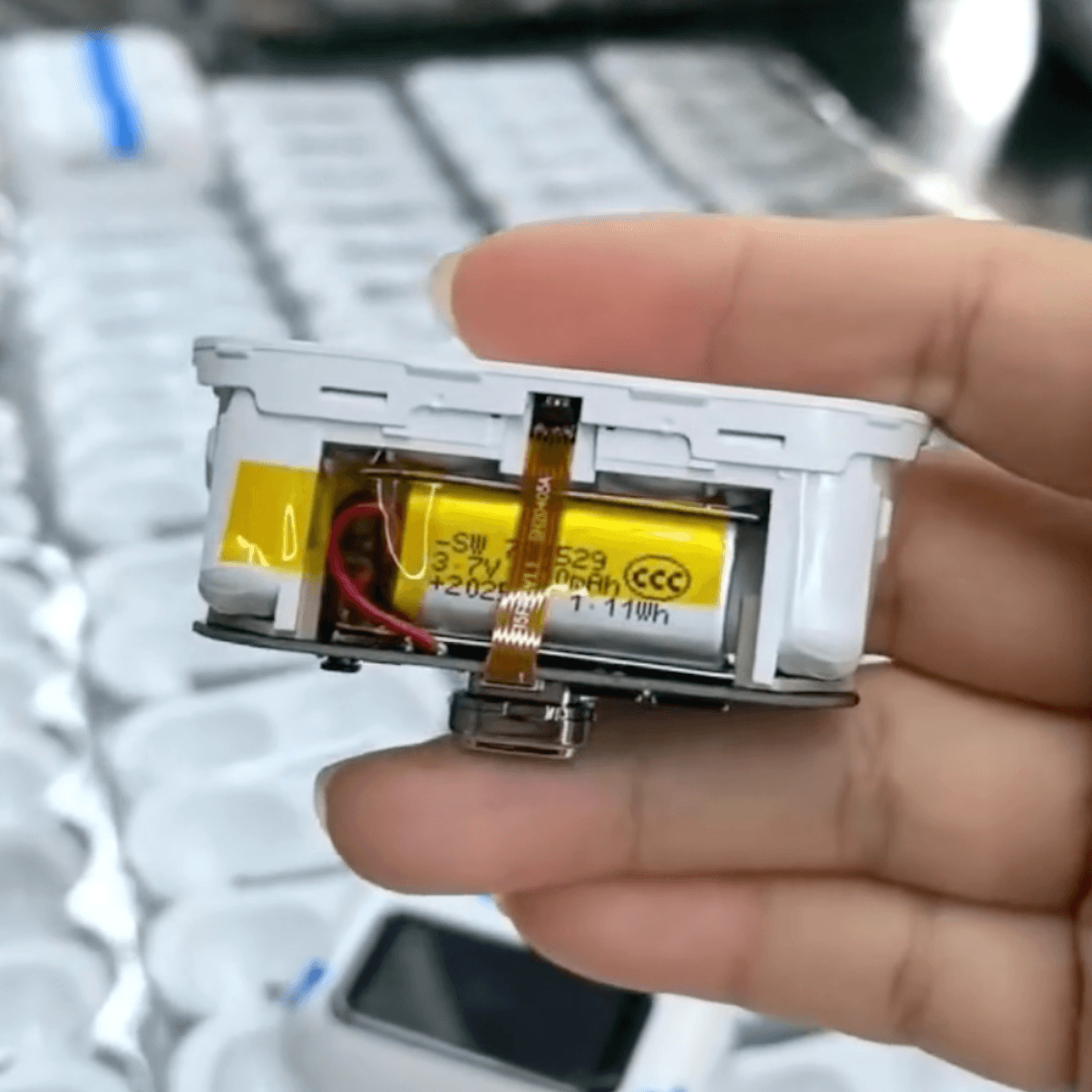
The problem with low-quality earbuds is not simply poor audio.The real issue is manufacturing consistency.The first concern is the battery.Unstable cell quality may cause faster capacity degradation, higher heat generation and poorer cycle performance.The second concern is charging management.Weak charging circuits or inconsistent electronic components can reduce the system’s ability to control voltage, current and temperature under abnormal conditions.
The third concern is mechanical construction.Earbuds are extremely compact, so poor assembly, inadequate adhesive fixation or poor internal spacing can become reliability issues after impact.The fourth concern is contact materials.Ear tips remain in contact with sensitive skin for extended periods, so material and surface quality matter.The fifth is hygiene.
Earbuds collect skin oils, earwax and sweat, and insufficient cleaning can allow contamination to accumulate.The key question is therefore not simply whether an earbud is cheap.
It is:Where did the manufacturer reduce the cost?
An Important Clarification About “Electrical Leakage” and Eardrum Damage
There is an important misconception that should be addressed carefully.A claim sometimes appears online that:“Poor-quality earbuds leak a tiny current that users cannot feel, repeatedly electrically shocking the eardrum and eventually causing perforation or deafness.”There is no reliable medical evidence establishing that ordinary earbud use causes this mechanism.
This should not be presented as an established fact in professional product content.Electrical injuries are real, and sufficiently strong current can damage human tissue. But that is fundamentally different from the low-voltage, battery-powered electrical architecture used in ordinary Bluetooth earbuds.The electrical safety issues that manufacturers should genuinely focus on include battery faults, charging-control failures, insulation problems, internal short circuits, abnormal connector heating and battery thermal events.
Hearing protection should therefore not be explained through an unsupported “micro-current shock to the eardrum” mechanism.The scientifically established hearing risk remains excessive acoustic exposure, while ear-canal health is more directly influenced by fit, hygiene, moisture and material contact.
Why Battery Fire and Hearing Damage Are Different Safety Issues
Consumers often combine all earbud risks into one category.In reality, there are at least two different safety areas.The first is acoustic safety.It involves excessive volume, prolonged listening and repeated exposure, which can contribute to noise-induced hearing loss and tinnitus.The second is electrical and battery safety.
It involves battery cells, charging circuits, short circuits, mechanical damage, heat and manufacturing defects. In severe circumstances, these can lead to overheating, smoke, fire or thermal runaway.The prevention strategies are different.Hearing protection requires sensible listening habits.Battery safety requires reliable cells, protection circuits, structural design, testing and appropriate use.Professional earbud manufacturing must therefore address both.
How Should Consumers Control Earbud Volume?
WHO recommends keeping personal-device volume below around 60% of maximum and, where sound-level monitoring is available, maintaining an average level below 80 dB.The 60% figure is not an absolute safety threshold because smartphones, earbuds, recordings and fitting can produce very different acoustic outputs.The more precise principle is sound level combined with exposure time.WHO provides these examples:
80 dB: up to about 40 hours per week.
85 dB: about 12.5 hours.
90 dB: about 4 hours.
95 dB: about 1 hour 15 minutes.
100 dB: about 20 minutes.
As sound intensity increases, safe listening time decreases rapidly.
Why Should You Give Your Ears Regular Breaks?
The ears need recovery time just as other sensory systems do.Long periods of continuous sound exposure can increase auditory stress even when the volume is not painful.Cleveland Clinic recommends regular breaks for people who use headphones extensively, and WHO also recommends limiting prolonged exposure to loud sound.
The purpose of breaks is not to “repair” permanent damage. It is to reduce ongoing exposure.For regular earbud users, a simple habit is to remove the earbuds periodically and allow the ears to rest.Persistent tinnitus, muffled hearing or difficulty understanding speech should not be ignored. WHO advises seeking professional evaluation when such symptoms continue.
How Should Earbuds Be Cleaned to Reduce Ear-Care Risks?
Hygiene is important for anyone who uses earbuds regularly.Earbuds come into contact with skin oils, sweat, earwax and environmental contaminants.Cleveland Clinic notes that contaminated earbuds or earplugs can increase the risk of outer-ear infection.Users should therefore clean the product according to the manufacturer’s instructions.
However, cleaning should not involve pouring liquids into the product.Liquids should not be allowed into microphones, speaker openings, charging contacts or internal electronics.If detachable ear tips can be removed, clean them according to the product instructions and allow them to dry completely before reassembly.
Why Should You Be More Careful When Wearing In-Ear Earbuds During Exercise?
Exercise adds several environmental factors:
Sweat.Heat.Friction.Sweat can make the ear area more humid, while a poor-fitting ear tip can repeatedly rub the ear canal during movement.Putting wet earbuds directly back into the charging case is also not ideal.A better practice is to dry the earbuds and contact surfaces before storage and charging.Persistent itching, pain or inflammation should not simply be ignored.
What Makes an Earbud Fit More Appropriate for Long-Term Use?
A good in-ear earbud should not create persistent:
Pressure.Pain.Itching.Friction.Excessive warmth.Or discomfort.
If an earbud becomes uncomfortable after only a few minutes, the problem may be related to tip size, earbud geometry or insertion angle.The ideal fit is secure without creating continuous pressure.For long-term use, the correct fit matters more than simply achieving the tightest possible seal.
Brands Should Evaluate More Than Sound Quality and Price
For consumers, product selection often depends on brand and specifications.For brands, Amazon sellers, independent businesses and wholesalers, the evaluation needs to be much deeper.Do not ask only:“What is your price?”“How long is the battery life?”“Does it have ANC?”Also ask about:
Battery cell specifications.Battery protection.Charging management.Material specifications.Ear-tip materials.Reliability testing.Ageing tests.Drop tests.Charge/discharge testing.Batch control.Compliance documentation.And quality-control procedures.These factors collectively determine product reliability.
A supplier that can discuss price but cannot explain batteries, materials, testing and manufacturing processes transparently gives buyers very little visibility into actual product quality.
Why Does Source Manufacturing Matter So Much for Earbud Quality?
Wireless earbud manufacturing involves many interconnected elements:
Battery cells.PCBs.Bluetooth chipsets.Speakers.Microphones.Plastic structures.Charging contacts.Ear tips.Battery management.Software.Assembly.Testing.Packaging.A problem in one area can affect the final product.
A genuine source manufacturer can connect engineering, procurement, production and quality control more directly.If thermal performance is poor, the factory can investigate PCB efficiency, battery behaviour, power consumption and mechanical design together.If ear-tip comfort needs improvement, the design can be adjusted around dimensions, hardness and contact geometry.
If a battery batch shows inconsistent performance, incoming inspection and batch management can address the problem.That level of direct control is difficult to achieve through a simple resale model.
Why We Focus on Safety Design Rather Than Feature Count Alone
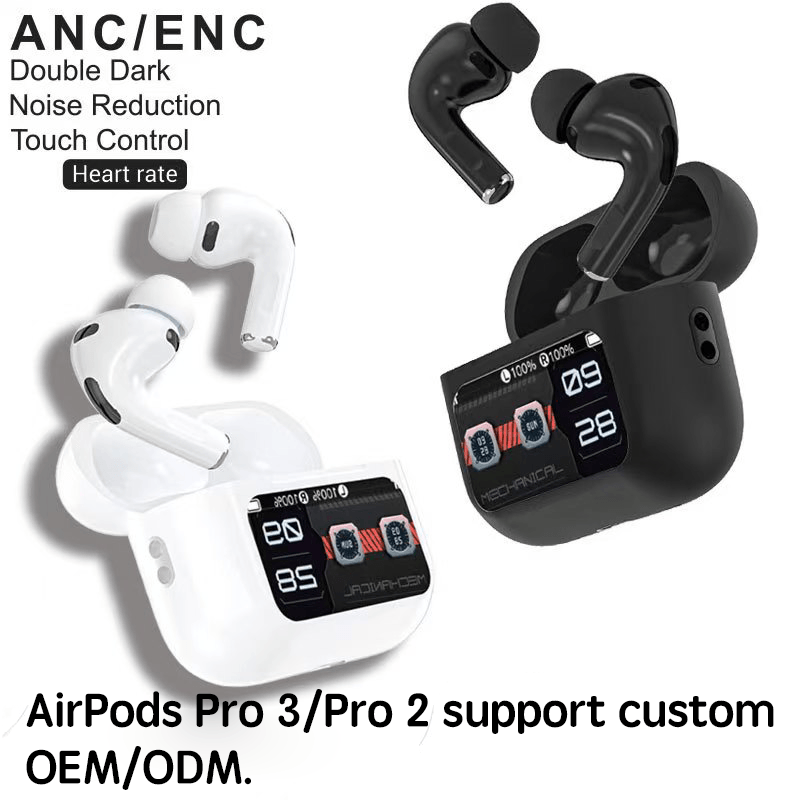
Modern TWS products increasingly include ANC, low-latency modes, HiFi audio, gaming functions, AI translation, Apps and touchscreen interfaces.More functionality can create a better user experience, but it also increases system complexity.A product with displays, Apps and AI functions has more interactions between software and hardware.Therefore, product development should not only ask:“What feature can we add?”
It should also ask:
“Is the power consumption reasonable?”“Is the battery temperature stable?”“Is the PCB layout appropriate?”“Is the internal structure properly designed?”“Can the system remain reliable during long-term use?”That is what engineering quality means.Customers buy a complete product, not a list of features.
Consumers Should Not Ignore Persistent Warning Signs
The body often provides warning signs.Occasional tiredness after wearing earbuds does not automatically indicate permanent damage, especially if it resolves with rest.However, persistent symptoms should not be ignored.These include:
Persistent tinnitus.Muffled hearing.Difficulty hearing high-frequency sounds.Increasing difficulty understanding conversations.Ear pain.Itching.Discharge.A blocked sensation.
WHO recommends professional assessment when tinnitus persists or hearing difficulties develop.Pain, discharge or signs of infection also warrant medical advice rather than simply changing the earbuds.
What Should a High-Quality Earbud Do to Support User Safety?
From a manufacturing perspective, safety is not a single certification or a marketing phrase.It should exist throughout the product lifecycle.During design, the relationship between the earbud and ear canal needs to be considered.During material selection, skin-contact components should be appropriately controlled.During electronic engineering, battery, charging and power consumption need to be managed.
During production, assembly consistency needs to be controlled.During testing, functionality, reliability and safety should be verified.And during packaging, users should receive clear instructions for proper use.That is the foundation of responsible manufacturing.As a source manufacturer of mobile accessories and consumer electronics, we focus not only on product features but also on whether the product can maintain reliable performance during real-world use.
How Can You Choose an In-Ear Earbud Suitable for Long-Term Use?
A practical selection process is straightforward.First, do not focus only on maximum volume. Consider whether the product can deliver clear audio at moderate levels.Second, do not judge noise cancellation only as a marketing term. A good fit can reduce the need to increase the volume in noisy environments.Third, pay attention to ear tips. They should provide a comfortable seal without excessive pressure.
Fourth, watch long-term charging and temperature behaviour. Stop using a product if it develops abnormal heat, swelling or charging behaviour.Fifth, evaluate the transparency of the brand and manufacturer. Reliable suppliers should provide clear product information, instructions and appropriate compliance documentation.Finally, remember that user behaviour remains important. No product can completely eliminate the hearing risks associated with excessive listening levels.
Professional Earbud Manufacturing Means Managing Long-Term Risk
For consumers, earbuds may appear to be small devices used for a few hours each day.For manufacturers, however, they are complete product systems.Because earbuds contact the ear, materials and ergonomics matter.Because they produce sound, acoustic safety matters.Because they operate on batteries, electrical reliability matters.
Because they are repeatedly charged, charging safety matters.Because they are repeatedly worn and handled, structural reliability matters.And because they are sold internationally, applicable regulatory and compliance requirements must also be considered.A genuine earbud manufacturer therefore needs to look beyond appearance and price.The real value of manufacturing capability lies in integrating these factors into a reliable product system.
Conclusion: Hearing Protection Requires Safe Listening, Proper Fit and Reliable Products
Long-term use of in-ear earbuds does not automatically mean hearing loss.The primary established hearing risk is excessive and repeated sound exposure.WHO’s current safe-listening guidance makes clear that the louder the sound and the longer the exposure, the greater the risk. The difference between 80 dB and 90 dB is not simply a small increase in loudness; it corresponds to a dramatic reduction in recommended exposure time.At the same time, in-ear earbuds also affect ear-canal health.Poorly fitting ear tips may create pressure and friction.
Long-term occlusion can contribute to moisture accumulation.Contaminated earbuds can increase the risk of outer-ear infection.Certain contact materials or chemicals can trigger dermatitis in susceptible users.Consumers therefore do not need to fear the basic concept of in-ear earbuds.They need to use them intelligently.Keep the volume moderate.
Limit long continuous listening.Give the ears regular breaks.Choose the right ear-tip size.Keep the earbuds clean.Keep wet devices away from charging.Stop using products that show swelling, abnormal heat, unusual smells or significant damage.Seek professional medical advice if tinnitus, hearing changes, pain or discharge persist.
Manufacturers also have a responsibility.Safety should not be added after the product is finished.It should be considered from battery selection, electronics, materials, mechanical design, acoustics, assembly, testing and quality control.As a source manufacturer of mobile accessories and consumer electronics, our wireless earbud products are developed not only around modern functions such as music, calls, gaming, Apps and AI, but also around reliable battery systems, appropriate structural design, stable manufacturing and quality control.
For brands, the right manufacturing partner is not simply a company offering the lowest-price SKU. It should be a partner capable of supporting product development, material management, manufacturing, quality verification and OEM/ODM customisation.Because an earbud eventually becomes part of the customer’s everyday life.And responsible manufacturing is not simply about helping people hear more.It is about helping them use the product more comfortably, more reliably and more safely over time.



Leave a Reply