 Get 30% Off On Selected Items

Are Expensive Power Banks Really Better Than Cheap Ones?
For many buyers, one question appears every time they compare portable chargers: why do two power banks with almost identical specifications have completely different prices?
A 5000mAh magnetic power bank, a 10000mAh USB-C model or a 20W fast charger may look nearly identical on the outside, yet one costs under ten dollars while another costs several times more.
The answer is not the printed capacity. It is hidden inside the product. Battery cells, battery management systems, PCB design, power components, thermal engineering, housing materials and manufacturing quality determine how safely and efficiently a power bank performs over years of daily use.
The Biggest Difference Is the Battery Cell
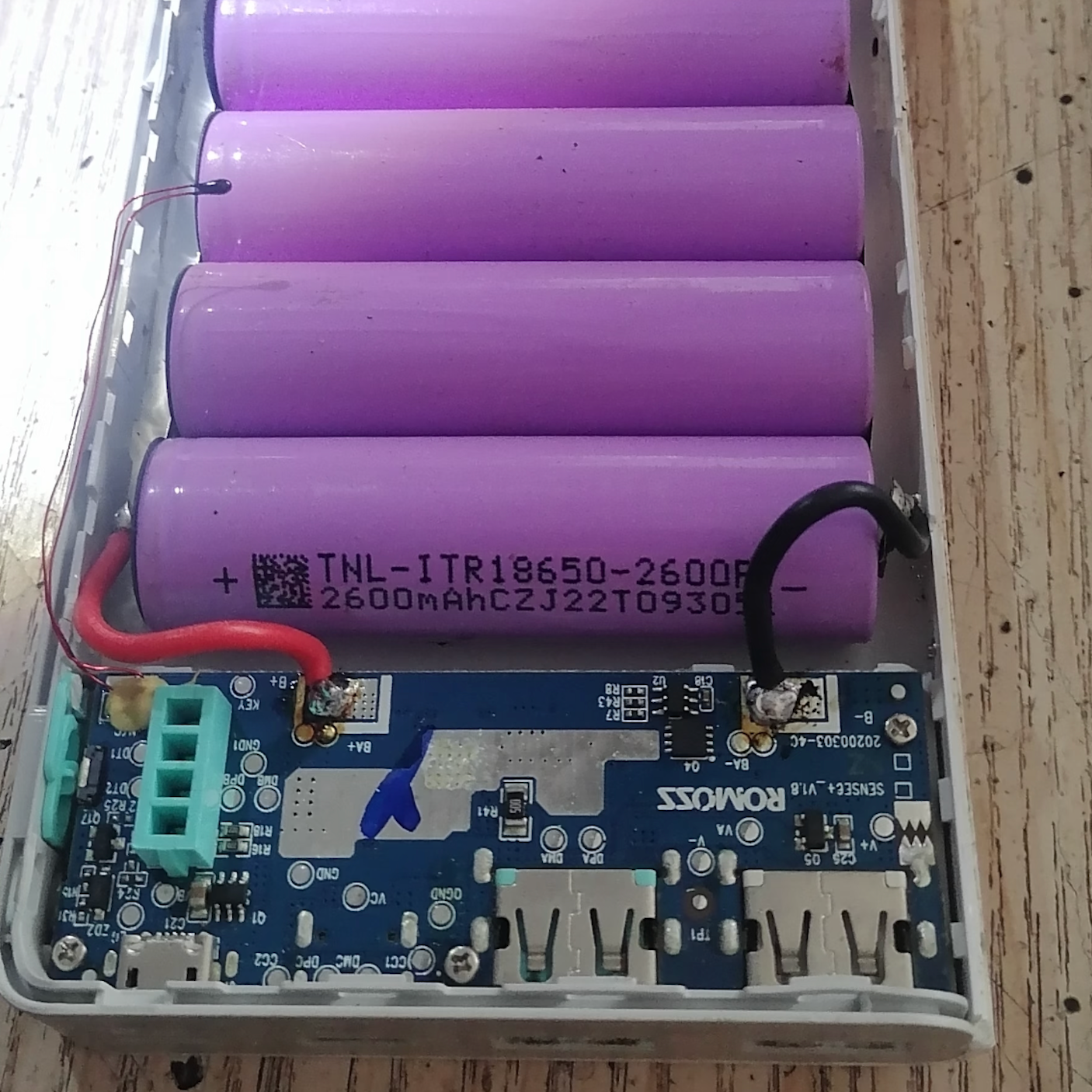
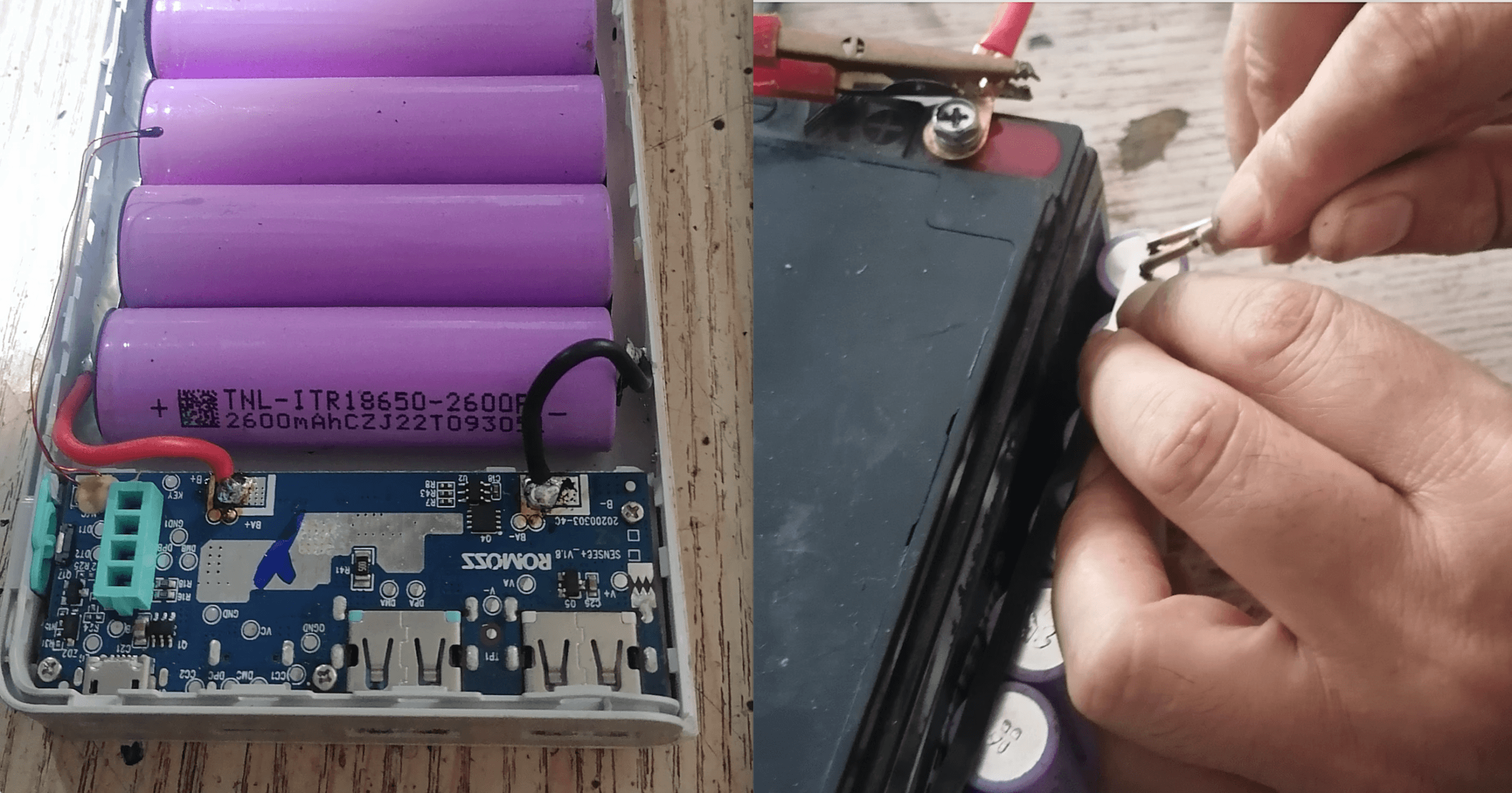
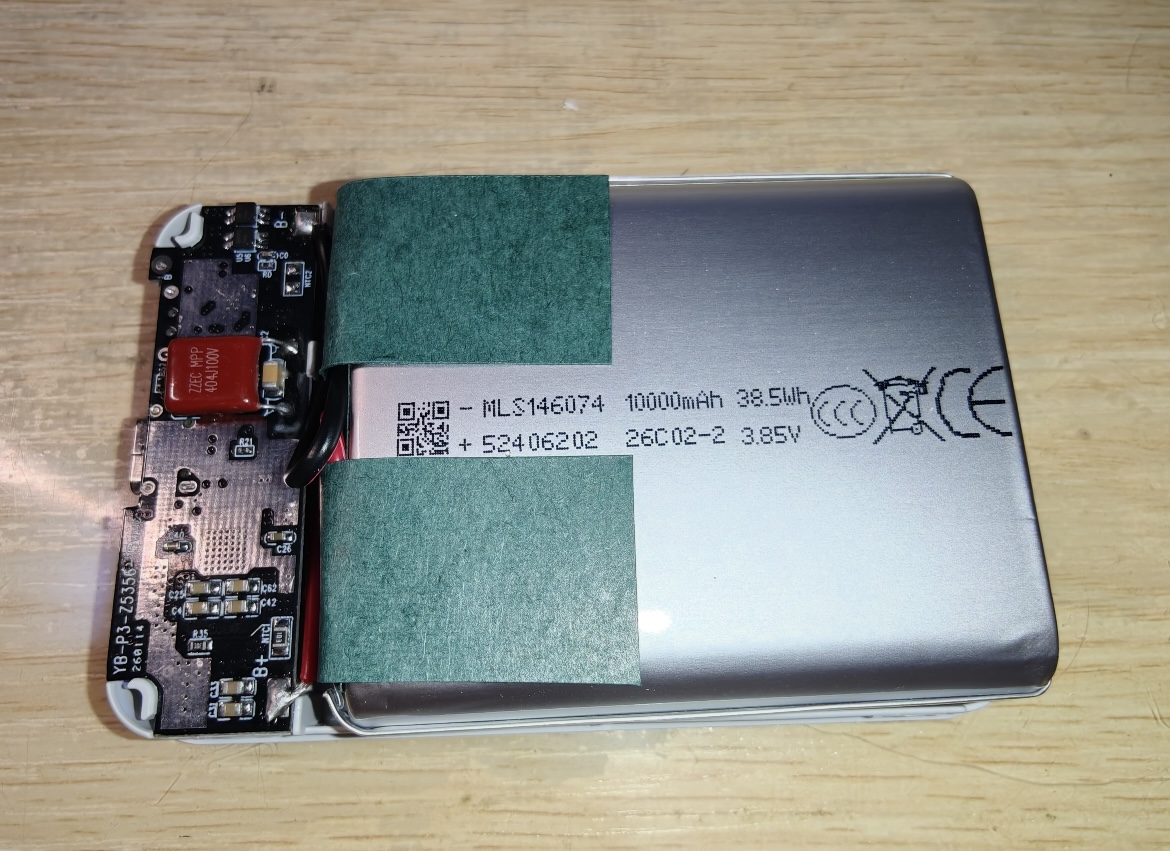
The lithium cell is the single most important component inside a power bank and often represents the largest portion of its manufacturing cost.Premium battery cells offer lower internal resistance, better consistency and longer cycle life. Before assembly, each cell is sorted by capacity and resistance to ensure balanced performance across the battery pack.
Lower-cost products may use lower-grade or recycled cells. They may deliver similar advertised capacity initially, but voltage stability, usable energy and long-term reliability decline much faster.
A good battery cell performs differently
Premium cells retain a higher percentage of their original capacity after hundreds of charging cycles while producing less heat and maintaining stable voltage.Lower-quality cells age much faster. Internal resistance increases, temperatures rise during charging and usable capacity drops rapidly. What feels like “a hot old power bank” is often the direct consequence of inferior battery chemistry.
The PCB Is the Brain of the Power Bank
The printed circuit board is far more than a connector for electronic parts. It controls charging protocols, current distribution, temperature monitoring and battery protection.A premium PCB typically uses thicker copper layers, efficient power management chips and higher-quality MOSFETs to reduce heat generation during fast charging.
Lower-cost boards often simplify protection circuits or use less efficient components, sacrificing long-term stability for lower manufacturing cost.
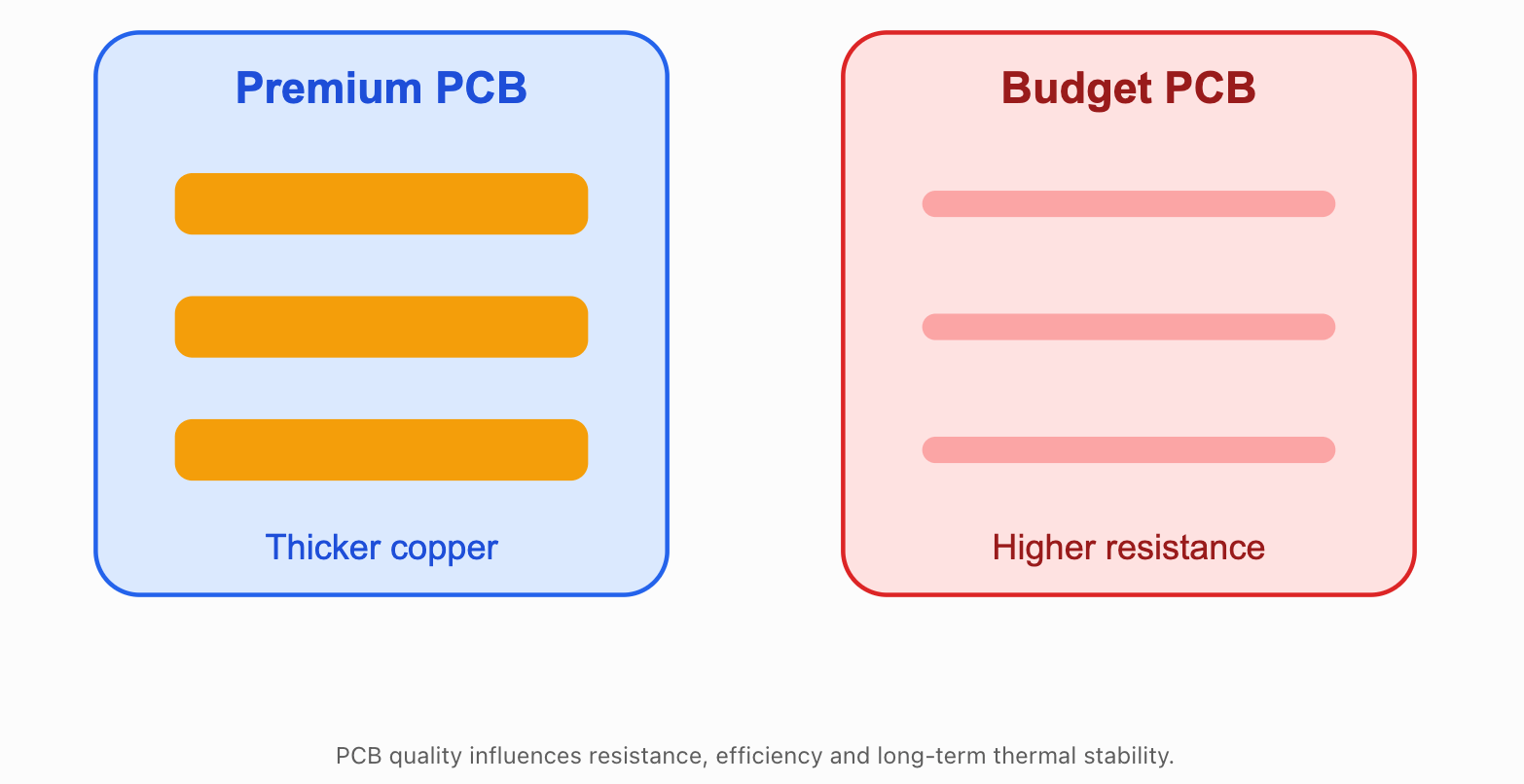
Why thicker copper matters
Copper thickness directly influences electrical resistance.Thicker copper traces reduce impedance, allowing high current to flow with lower energy loss and reduced temperature rise. Thin copper layers generate more localized heat during fast charging and accelerate component ageing over time.
Battery Management System Is What Protects You
The battery management system is the most important safety feature inside any lithium power bank.A complete BMS continuously monitors voltage, current, temperature and battery condition. If abnormal conditions occur, it immediately reduces output or disconnects the battery.
Premium products integrate overcharge, over-discharge, over-current, short-circuit and thermal protection together with cell balancing. Lower-cost designs sometimes simplify these functions, increasing safety risks during abnormal operation.
Fast Charging Depends on Engineering, Not Marketing
Fast charging is determined by electrical engineering rather than printed wattage.A well-designed power bank maintains stable voltage, correctly negotiates charging protocols and sustains output under thermal load. The user experiences consistent charging instead of rapid throttling caused by overheating.
Housing Materials Affect More Than Appearance
The enclosure influences thermal performance, durability and safety as much as aesthetics.Aluminium housings dissipate heat efficiently and provide stronger structural protection against impact. High-quality flame-retardant PC+ABS materials combine insulation with excellent impact resistance.
Poor-quality plastics are more likely to deform under heat, age prematurely and offer lower resistance to ignition in extreme conditions.

Why Cheap Power Banks Often Feel Hotter
Heat is usually the result of overall system design rather than fast charging alone.Higher battery resistance, inefficient voltage conversion and poor thermal engineering cause more electrical energy to become heat instead of useful charging power. Heat then accelerates battery ageing, creating a cycle of increasing resistance and increasing temperature.
Can a Cheap Power Bank Damage Your Phone?
A cheap power bank does not automatically damage a smartphone, but poor power quality can create long-term problems.
Modern phones include sophisticated charging controllers. The greater concern is unstable voltage, excessive ripple and inconsistent current delivery. Poor connectors also increase contact resistance, generating additional heat around the charging port.
Reliable power banks provide stable, clean and consistent electrical output rather than simply high advertised wattage.
Fire and Explosion: What Actually Causes Battery Accidents?
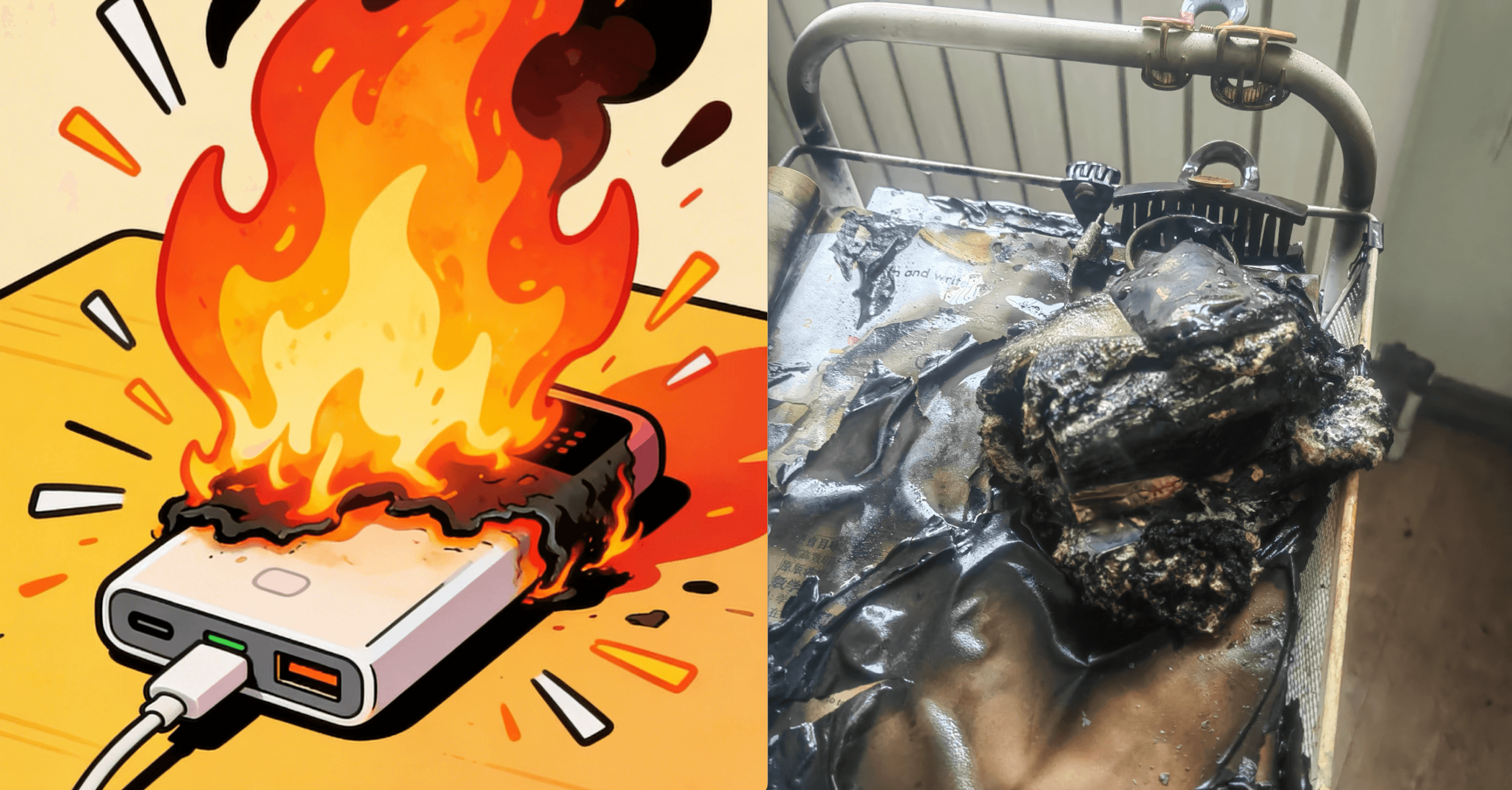
The phrase “power bank explosion” usually refers to thermal runaway, not a conventional explosion.Thermal runaway develops through multiple contributing factors including defective cells, internal short circuits, mechanical damage, excessive charging, high temperatures and failed protection circuits. Premium products reduce these risks through temperature sensors, fuses and layered protection systems.
Why Manufacturing Quality Matters More Than Brand Labels
Manufacturing quality is built through process control rather than branding alone.Reliable power banks undergo incoming material inspection, SMT assembly, PCBA verification, ageing tests, capacity calibration, drop testing, thermal evaluation and final quality inspection. Two products with identical appearance may contain completely different internal components depending on the manufacturing standard behind them.
How to Identify a High-Quality Power Bank Before Buying
Rather than comparing capacity alone, buyers should verify recognised safety certifications, battery cell quality, supported charging protocols, comprehensive protection features and documented testing standards. Build quality and engineering transparency usually reveal far more than marketing specifications.
Conclusion: Expensive Does Not Always Mean Better, but Quality Always Has a Cost
An expensive power bank is not automatically the best, and an affordable one is not automatically unsafe. The real difference lies in manufacturing quality.
Better battery cells, comprehensive battery management, efficient PCB engineering, stronger thermal design and rigorous quality control create longer lifespan, safer charging and more consistent performance. The best buying decision is based not on the lowest price, but on verified engineering and reliable manufacturing standards.





Leave a Reply