 Get 30% Off On Selected Items
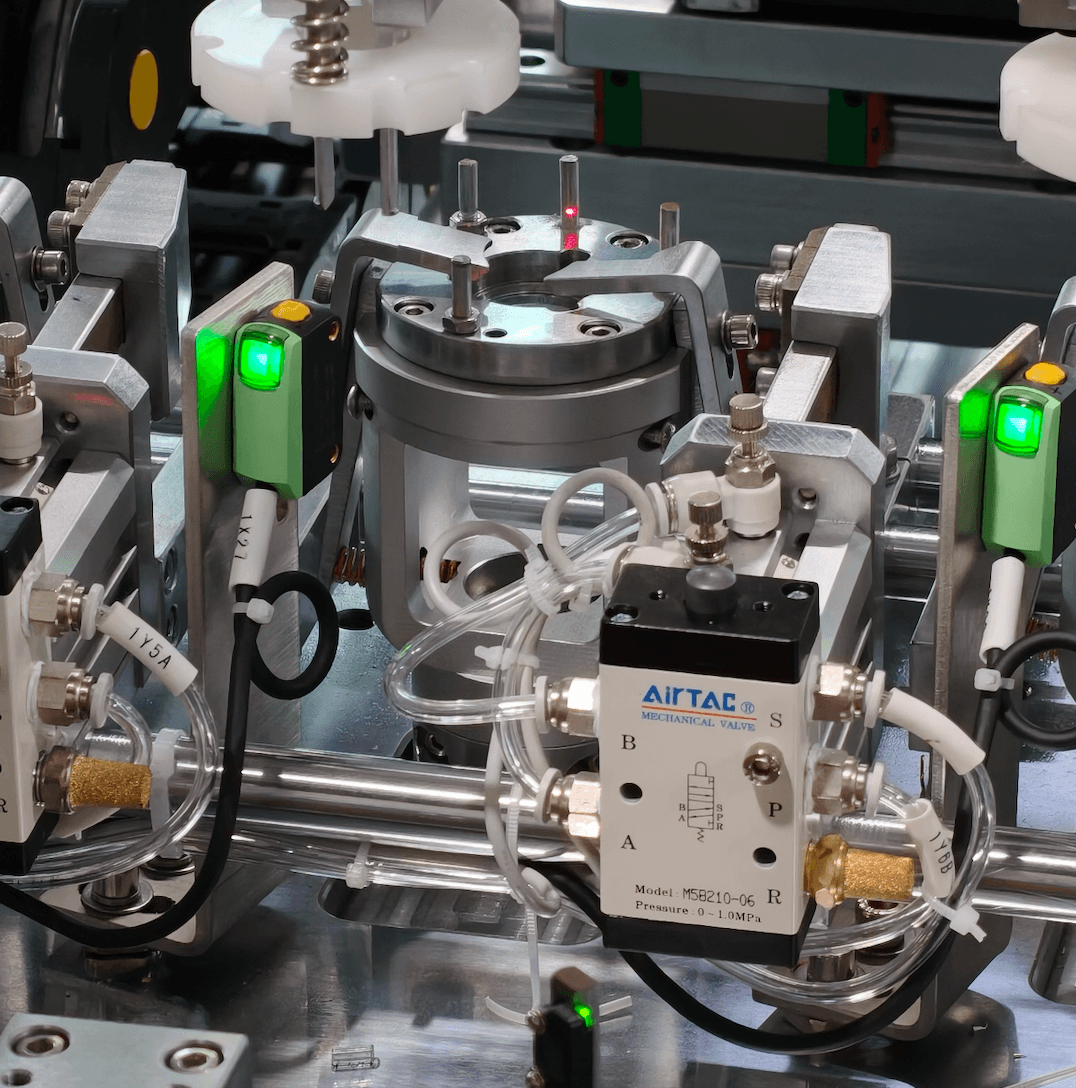

Introduction: Choosing the Right Manufacturing Partner Is the Foundation of Long-Term Brand Success
Many buyers believe that sourcing mobile accessories from China is mainly about finding competitive prices. However, for global brands, distributors, and retailers, selecting a suitable manufacturing partner is far more complex than comparing quotations. Products such as power banks, chargers, wireless earbuds, USB cables, and magnetic charging devices involve multiple production processes, strict safety requirements, and consistent quality management. A reliable OEM/ODM manufacturer should not only provide products but also support product development, supply chain stability, quality control, and international market compliance.
The expectations of global consumers have changed significantly in recent years. Price remains an important consideration, but it is no longer the only deciding factor. Customers in markets such as the United States, the United Kingdom, and Europe increasingly care about product safety, durability, design quality, and brand reputation. As a result, professional buyers must evaluate manufacturers based on their overall capabilities rather than simply choosing the supplier offering the lowest price.
Mobile accessories belong to the consumer electronics category, where product reliability depends on many interconnected manufacturing processes. A power bank is not simply a combination of a battery cell and an external shell. It requires proper battery management systems, charging protection, temperature control, circuit design, and transportation compliance. A GaN charger requires advanced power management solutions, thermal design, and compatibility with different charging standards. Wireless earbuds require stable Bluetooth performance, battery efficiency, acoustic optimization, and reliable long-term operation.
For international buyers, the real challenge is not finding a supplier that can provide a quick quotation. The challenge is finding a manufacturer that understands market requirements, maintains consistent production quality, and continues to provide innovation and manufacturing support throughout a long-term partnership.

The First Step in Evaluating a Mobile Accessories Factory Is Verifying Its Real Manufacturing Capability
One of the biggest challenges for overseas buyers sourcing from China is determining whether a supplier is a genuine manufacturer or simply a trading company. Because the electronics supply chain is highly developed and complex, many companies can offer mobile accessories, but relatively fewer companies actually control product development, manufacturing, and quality management.
Trading companies may provide a wide range of product catalogs and respond quickly during the early communication stage. However, when customers require customized designs, packaging changes, technical adjustments, or large-volume production, limitations often appear. Since manufacturing is controlled by external factories, consistency, delivery management, and problem-solving efficiency can become difficult to control.
A professional mobile accessories manufacturer normally operates with a complete production system. This includes product design, structural development, material sourcing, assembly, functional testing, and quality inspection. For overseas brand owners, this manufacturing capability provides more stable product quality, predictable lead times, and reduced supply chain risks.
For example, during power bank production, an experienced factory must manage not only the external design but also battery selection, protection circuits, charging efficiency, and safety testing. For magnetic charging products, manufacturers need to consider magnetic strength, wireless charging efficiency, heat management, and compatibility with different devices. For USB cables, factors such as conductor materials, connector durability, bending resistance, and long-term transmission performance are essential.
Therefore, overseas buyers should focus on actual manufacturing experience rather than only product images or price advantages. A manufacturer capable of consistently producing reliable products usually creates much greater long-term value than a supplier competing only through low prices.
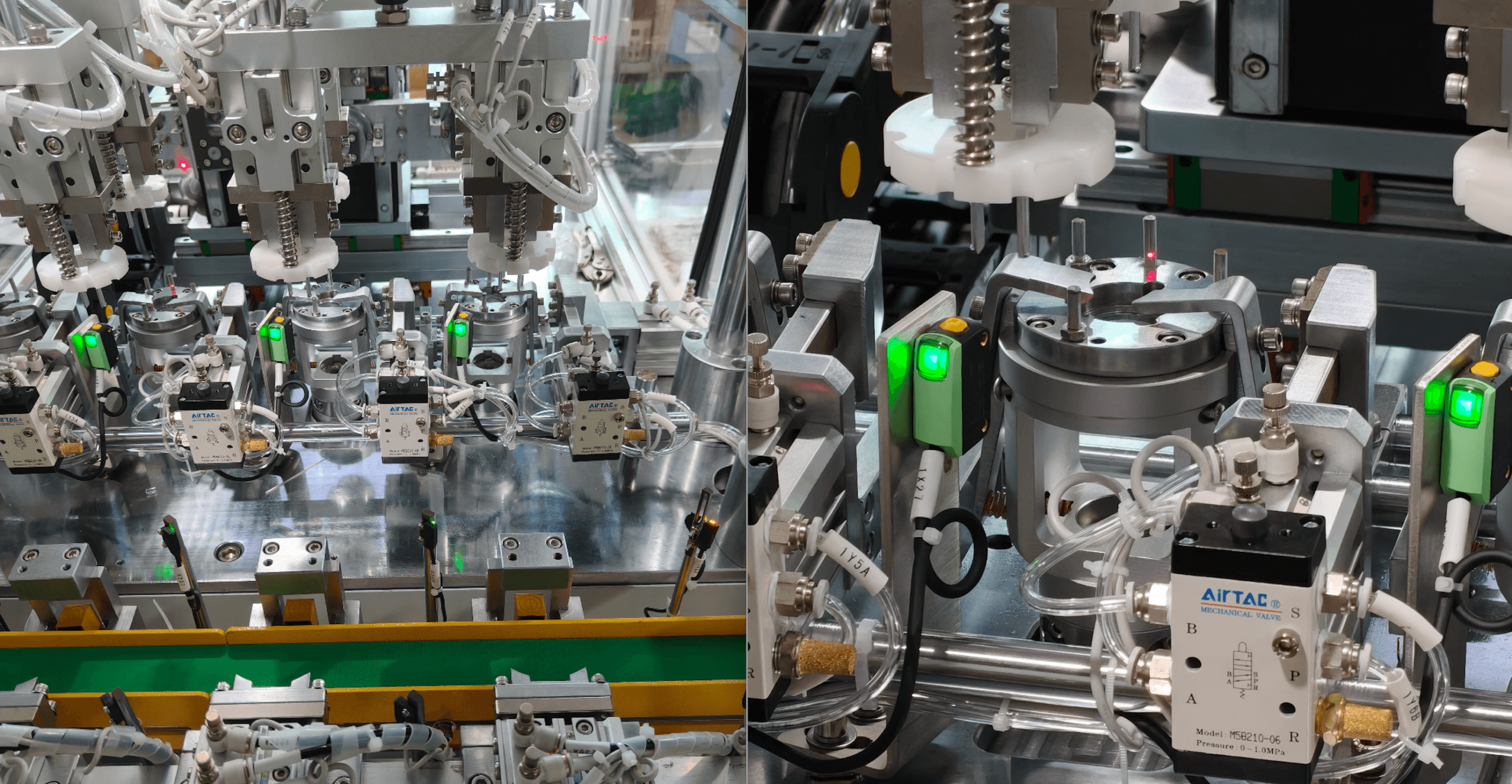
OEM and ODM Capability Is a Key Indicator of Manufacturing Expertise
For overseas companies building their own brands, OEM and ODM capability has become one of the most important factors when selecting suppliers. Traditional sourcing methods often involve purchasing existing products and selling them through distribution channels. However, as competition increases, more brands are seeking differentiation through customized designs, optimized features, and unique branding.
OEM refers to Original Equipment Manufacturing, where customers provide product requirements, designs, or branding specifications while the factory handles production. ODM goes further by involving the manufacturer in product design, engineering improvements, feature development, and production solutions.
ODM capability is particularly valuable in the mobile accessories industry because market trends change rapidly. Overseas brands need to continuously introduce products that match consumer expectations. If a supplier can only manufacture existing models without providing development support, maintaining market competitiveness becomes difficult.
For example, when a brand wants to develop a new magnetic charging product, the manufacturer may need to support magnetic structure design, charging efficiency optimization, appearance customization, and packaging solutions. A factory with ODM experience can help reduce development costs and accelerate time-to-market.
Quality Control Is Not a Final Inspection Process; It Starts at the Product Development Stage
For mobile accessories sourcing, quality is often the factor most easily hidden behind a quotation and the factor most likely to become visible once products reach the market. Buyers can easily compare unit prices, MOQs and lead times, but these figures do not directly demonstrate a factory’s manufacturing capability. For electronic products such as power banks, chargers, USB cables, wireless earbuds and magnetic charging devices, final quality depends on whether product design, material control, manufacturing processes, component selection and final inspection are managed as one integrated quality system.
A mature mobile accessories manufacturer does not define quality control as randomly checking several units after production has been completed. Effective quality management begins during product development. When a customer introduces a new product requirement, the factory needs to evaluate whether the structure is suitable for mass production, whether the electronic solution is stable, whether key components can be supplied consistently, whether materials meet the requirements of the target market, and whether the product can maintain consistency throughout mass production. Quality inspection becomes meaningful only when these factors have already been controlled before manufac
This is particularly important for power banks. Their actual performance depends not only on the stated capacity but also on cell quality, power management ICs, protection circuits, soldering processes and thermal management. A product rated at 5,000mAh may pass basic initial testing, but unstable cells or poor circuit design can lead to capacity degradation, excessive heat or abnormal charging and discharging after repeated use. A professional factory therefore needs to control quality from the moment materials enter the manufacturing process rather than investigating problems only after finished products fail.
The same principle applies to chargers. GaN chargers, in particular, require more careful control of power architecture, thermal design and component reliability as manufacturers attempt to achieve higher power output in smaller form factors. Consumers see a compact charger, while manufacturers have to manage power conversion, electrical safety, heat dissipation and compatibility between charging protocols. For overseas brands, a supplier’s ability to understand and explain these technical factors is often a much stronger indication of expertise than its ability to offer a low quotation.
USB cables may appear relatively simple, but their long-term performance is also determined by numerous manufacturing factors. Conductor material, wire gauge, connector construction, soldering quality, outer jacket material and bending resistance all influence reliability. For USB-C cables designed for higher power delivery, conductor capability and connector quality become even more important. If a supplier achieves a lower price mainly by reducing material costs, the product may eventually suffer from connector heating, unstable connections, reduced charging performance or cable failure.
Wireless earbuds and magnetic charging products add further complexity to quality management. Wireless earbuds involve batteries, Bluetooth connectivity, speaker drivers, microphones and charging structures, and any inconsistency can affect the user experience. Magnetic charging products require not only efficient charging but also stable magnetic attachment, accurate coil positioning, thermal control and device compatibility. When evaluating a factory, international buyers should therefore look for suppliers capable of explaining the actual quality-control logic behind each product rather than simply stating that they have a “QC department.”
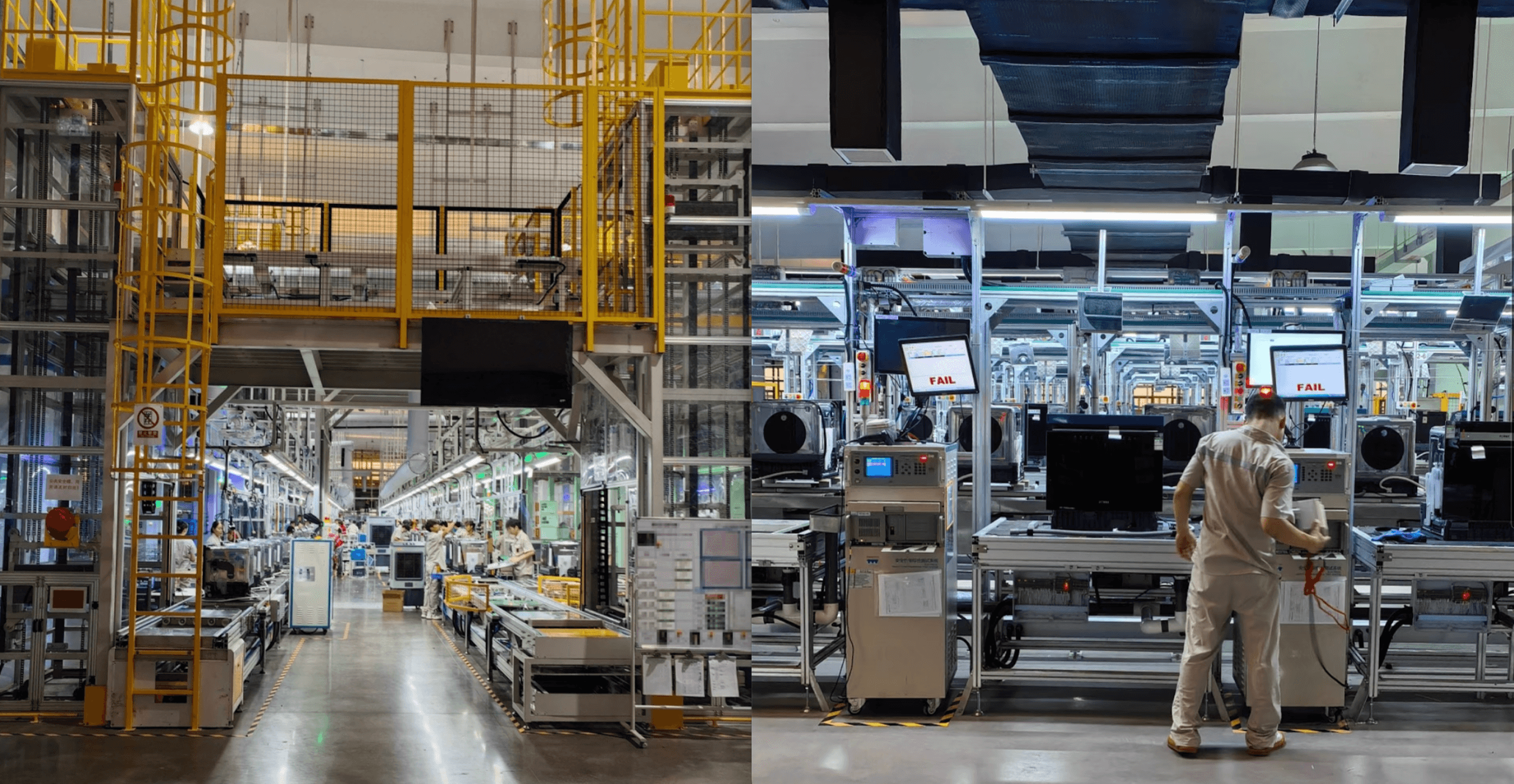
International Certification Is a Market Access Requirement, Not a Marketing Phrase
For mobile accessories sold in the United Kingdom, Europe and the United States, compliance capability is an essential part of supplier evaluation. Electronic products may need to meet different regulatory and technical requirements depending on product category, operating voltage, wireless functionality, battery type and destination market. Buyers should understand that certification is not a universal label that can be discussed independently of a product. Different products manufactured by the same company may be subject to different testing and compliance requirements.
For example, electronic products placed on the European market may need to undergo conformity assessment under the applicable EU legislation and standards, including CE marking and relevant technical documentation. RoHS addresses restrictions on hazardous substances. Products supplied to the United Kingdom may also need to meet applicable UKCA-related requirements, while products entering the US market may be subject to requirements such as FCC depending on their functions. Lithium-battery products such as power banks also involve transportation-related battery testing and documentation, including UN 38.3.
It is important to understand that statements such as “CE certified” or “FCC certified” do not automatically mean that a product meets every requirement for import and sale in a particular market. A professional supplier should be able to explain the applicable compliance pathway based on the product model, functions and destination market and should be capable of supporting the buyer with relevant technical documentation and test reports. For brand owners, this capability significantly reduces the risk of problems caused by incomplete documentation, inappropriate testing or misunderstanding of regulatory requirements.
This is particularly important for lithium-battery products such as power banks. Buyers must consider not only product performance but also product safety, transportation and storage requirements. Suppliers therefore need appropriate experience in battery sourcing and testing. If a supplier cannot clearly explain cell sourcing, testing procedures or transportation documentation, its manufacturing capability should be carefully reassessed before large-scale importing.
Supply Chain Management Determines Whether a Factory Can Deliver Consistently
Many buyers focus heavily on the finished product during their first sourcing project while overlooking the impact of supply chain management on delivery performance. In reality, even a factory with strong assembly capability cannot maintain consistent quality and lead times if critical materials are unstable. Electronics manufacturing depends on multiple supply chain stages, and changes in any important component can affect the finished product.
For example, charger production depends on a stable supply of ICs, capacitors, resistors, connectors, plastic components and packaging materials. Power banks depend heavily on battery cells and power-management components. Wireless earbuds require reliable supplies of batteries, chips, speaker components and structural parts. Without effective supplier management, a factory may face delays when material prices change or demand increases, or may even substitute materials in order to maintain a low quotation.
This is why overseas buyers should not ask only whether a supplier can manufacture a product. They should also assess whether the factory can continue producing the same product consistently. For long-term brand customers, the objective is not simply to achieve the required quality on one shipment but to maintain the same core specifications, performance and quality standards over months and years.
Mature supply chain management also requires control over component versions and supplier changes. Once a product has entered stable mass production, any replacement of a critical component should be evaluated for its potential impact on product performance rather than being implemented without communication. This level of manufacturing transparency is particularly important for overseas brands because the brand ultimately bears the cost of consumer complaints, returns and reputational damage.
A reliable mobile accessories manufacturer therefore needs more than production workshops. It needs stable material management, supplier coordination, production planning and quality traceability. The real meaning of manufacturing capability is not simply assembling products but maintaining a stable production system under different order volumes and market conditions
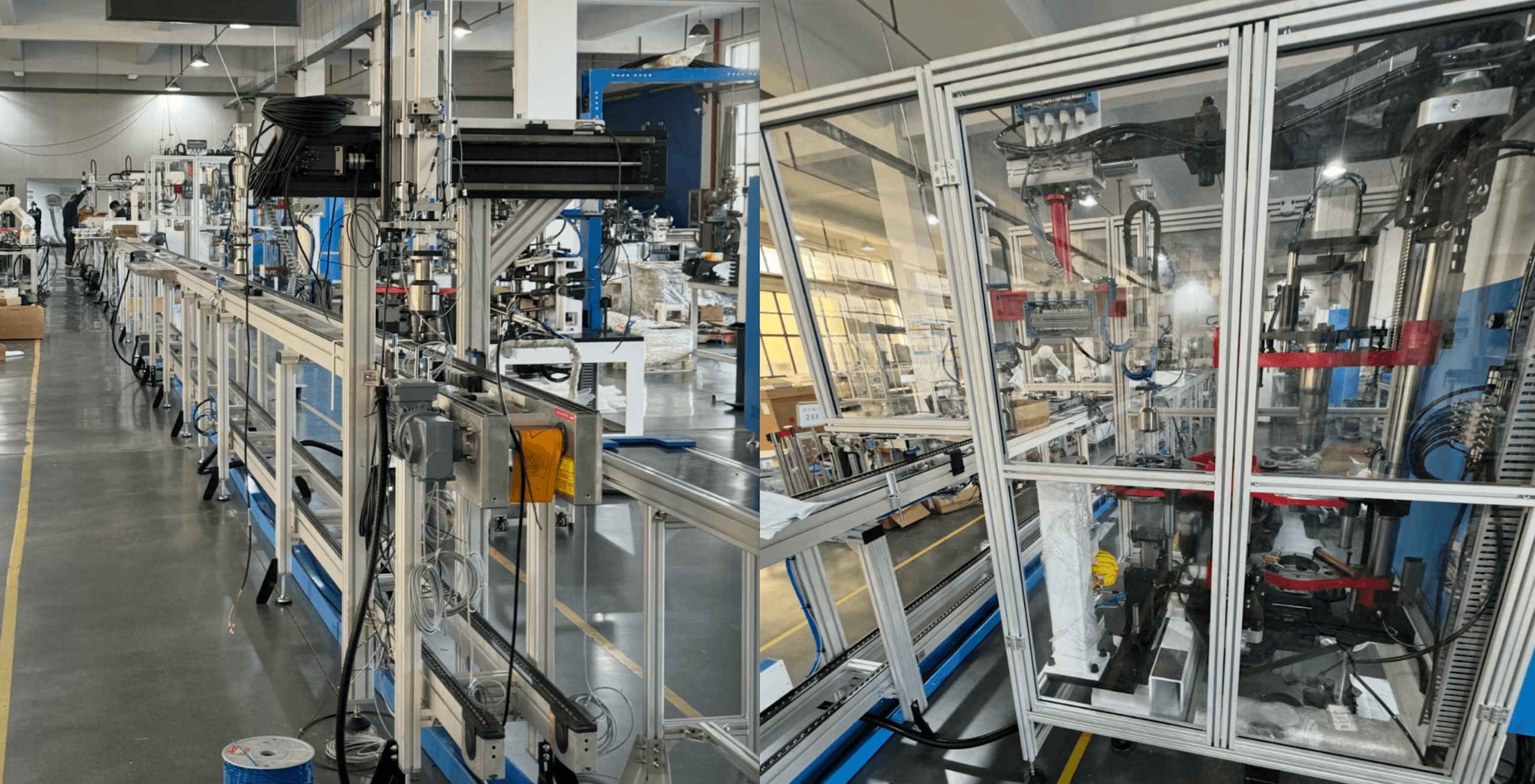
Why the Lowest Quotation Is Often Not the Most Competitive Sourcing Option
A supplier may offer a charger at a price several percentage points lower, but if the product has a higher failure rate after mass production, the buyer’s actual cost may become much higher than the initial saving. Returns, replacements, refunds, warehouse handling and after-sales service all create additional expenses. If the problem damages brand reputation, the impact extends far beyond a single purchase order.
Low pricing itself is not necessarily a problem. The important question is how the supplier achieves it. If the cost advantage comes from production scale, an efficient supply chain, optimized product design and manufacturing efficiency, a lower price can represent genuine competitiveness. If the price is achieved by reducing material quality, limiting testing, using unstable components or cutting quality-control procedures, the apparent saving simply transfers costs from the supplier to the buyer and ultimately to the consumer.
Professional buyers should therefore evaluate the manufacturing logic behind a quotation rather than comparing unit prices alone. A factory offering reasonable pricing, stable quality, appropriate compliance documentation and reliable long-term delivery is generally a stronger strategic partner than a supplier competing purely on the lowest possible price.

Leave a Reply