 Get 30% Off On Selected Items
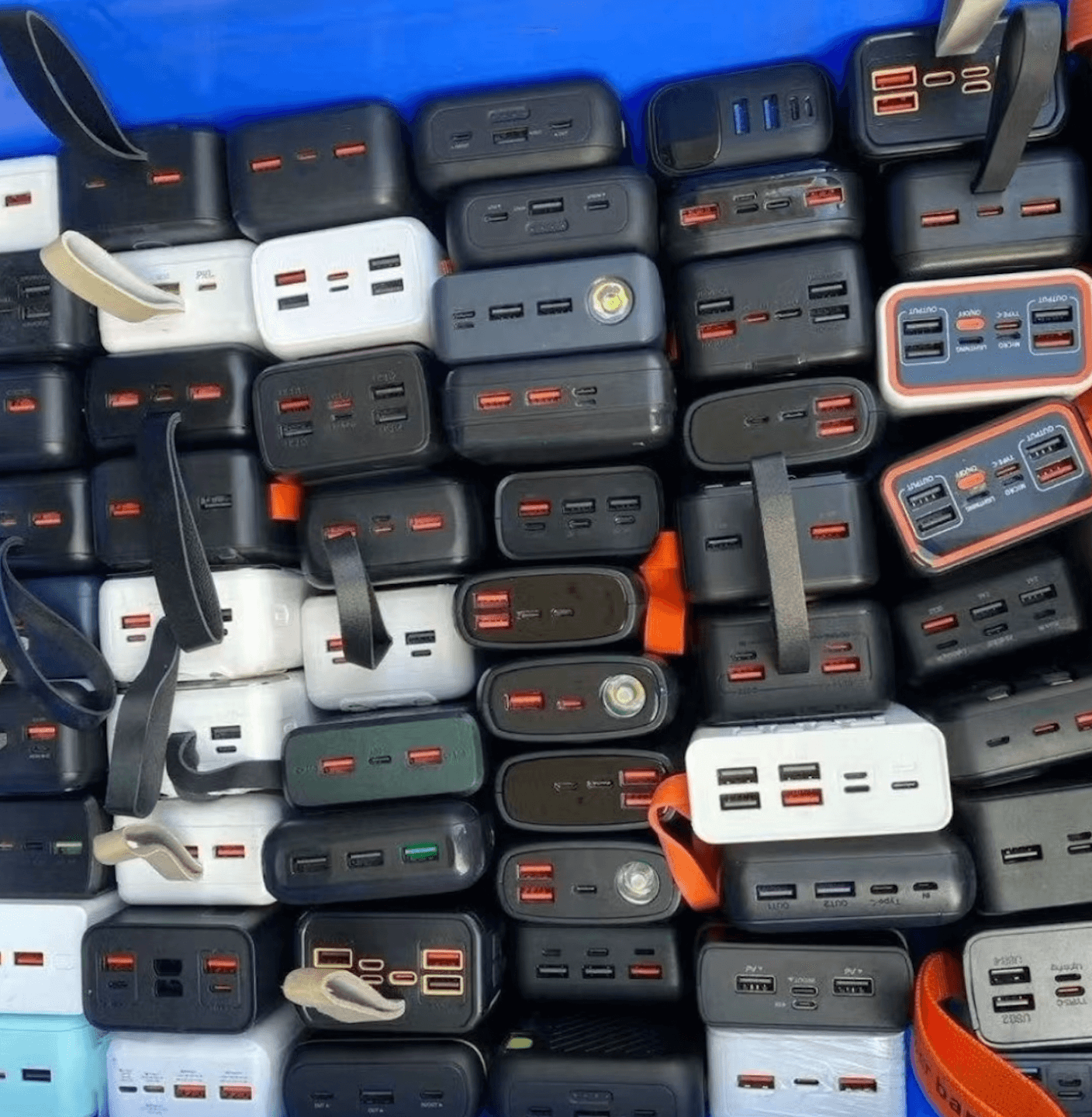

Are Power Banks, Chargers, USB-C Cables and Magnetic Chargers Safe? A Practical Guide to Choosing Compliant and Safer Charging Products
Every day, we put our phones on charge, carry power banks in our bags, connect USB-C cables to laptops and use magnetic wireless chargers on our desks. These products may look like simple accessories, but every charging device involves electrical energy, heat, battery chemistry and electronic protection systems.
Reports of overheating chargers, damaged cables, swollen power banks and lithium-battery fires have made consumers increasingly aware of charging safety. For UK shoppers, however, the key question should not simply be whether a product is cheap or whether it offers the highest wattage. The more important questions are whether it has been properly designed, whether it meets the relevant safety requirements and whether the manufacturer can demonstrate that the product has been appropriately tested.
This is why choosing a power bank, charger, USB-C cable or magnetic charger should never be based solely on numbers such as “20W”, “35W”, “65W” or “10,000mAh”. These figures tell you something about performance, but they do not, by themselves, prove that a product is safe.
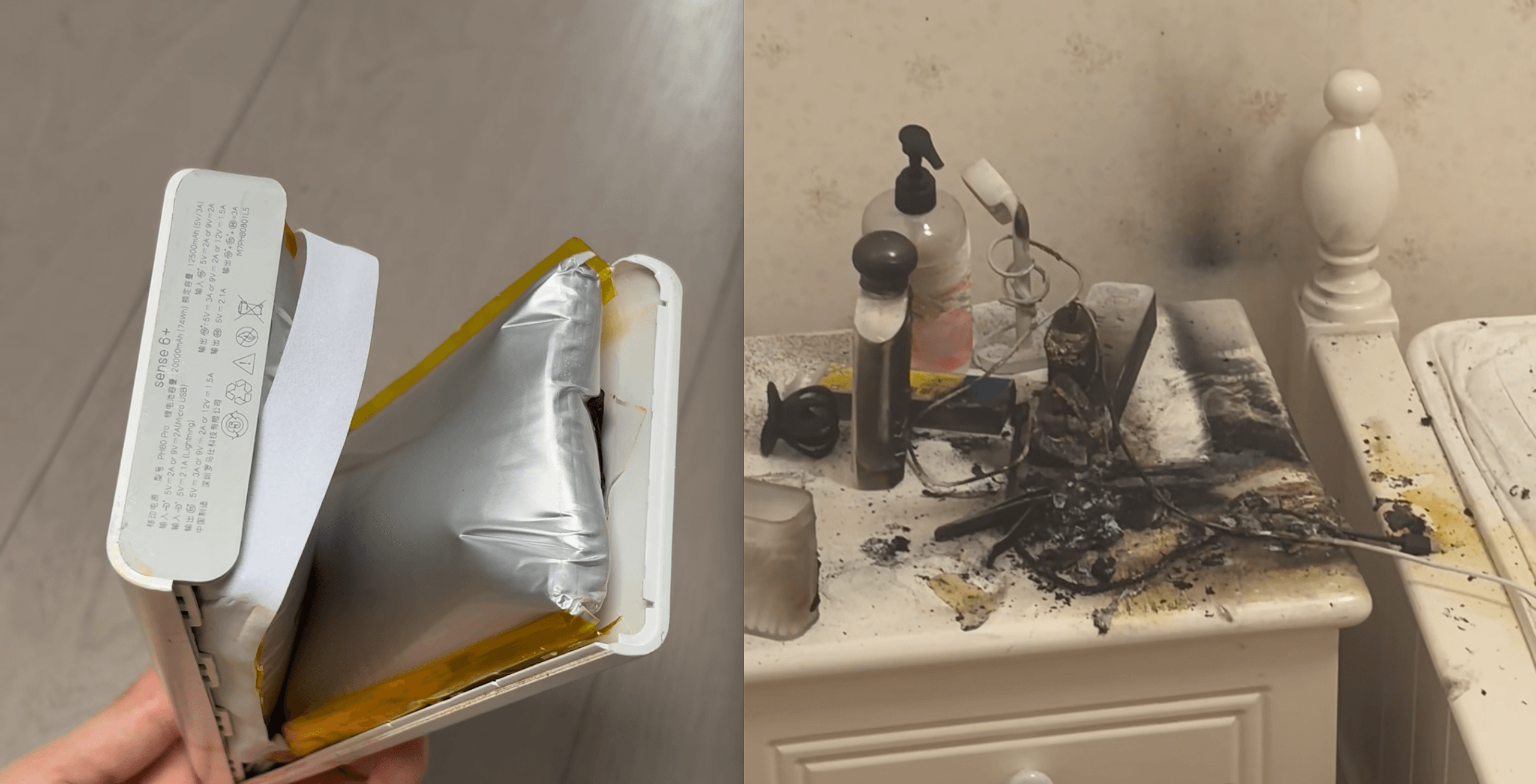
Why Can Charging Products Overheat, Melt or Catch Fire?
Serious charging incidents do not usually happen simply because electricity is inherently dangerous. They occur when electrical energy is no longer being controlled in the way the product was designed to control it.Whenever current passes through a cable, connector or electronic component, some heat is generated. If a connector has excessive contact resistance, a cable is underspecified, or electronic components are repeatedly operated beyond their intended limits, heat can build up instead of being dissipated effectively.
Some warmth during charging is completely normal. A USB-C charger, high-power cable or wireless charging pad may become warm during normal operation. Warmth alone does not necessarily indicate a fault.The important distinction is abnormal heating.
If a charger becomes hot enough to deform its casing, a cable connector begins to discolour, a plug develops a burning smell, a power bank becomes unusually hot, or charging repeatedly cuts in and out, these signs should not simply be dismissed as normal fast-charging behaviour.
What Makes a Power Bank Potentially Dangerous?
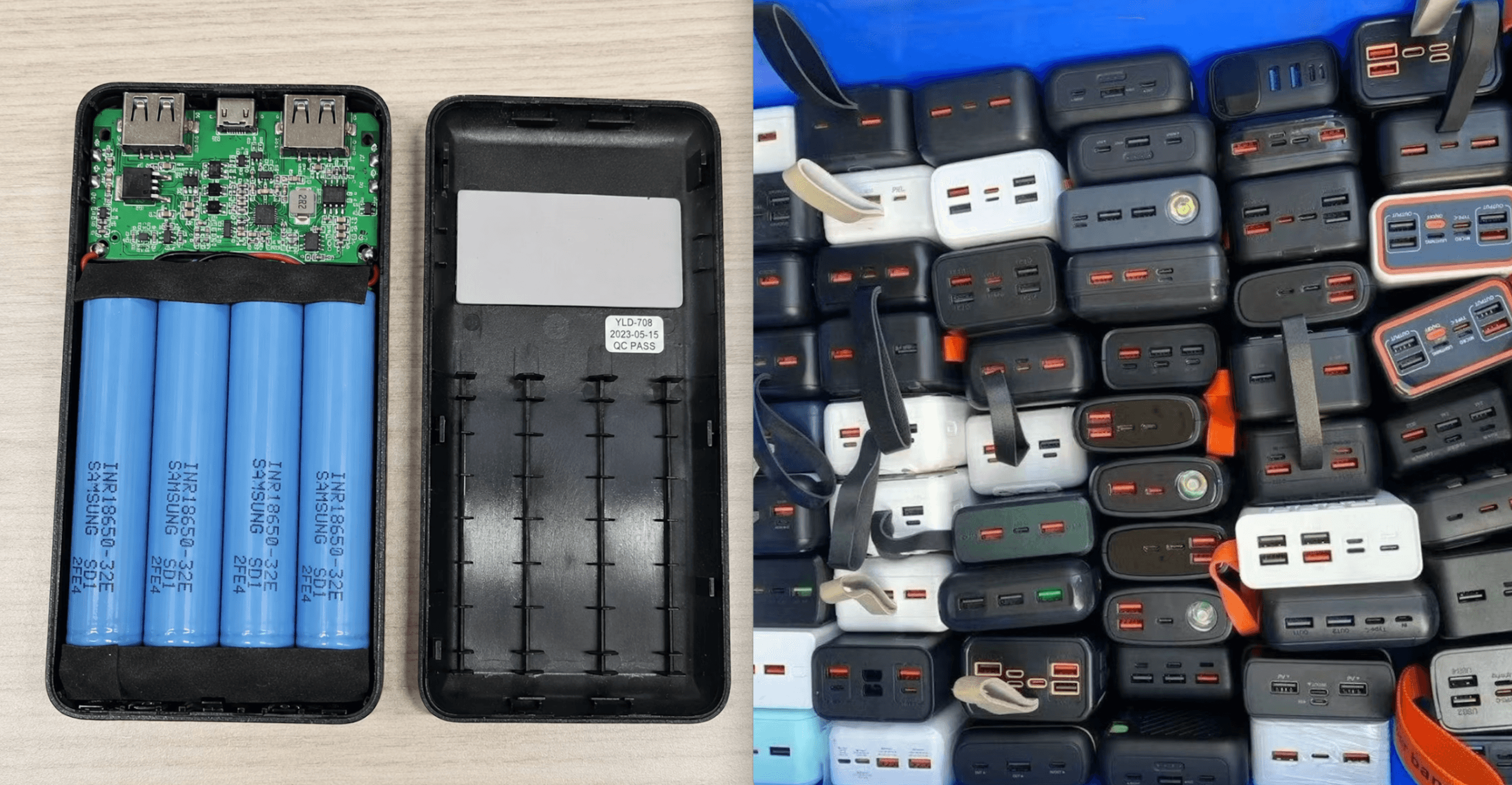
Many consumers start by looking at capacity: 5,000mAh, 10,000mAh or 20,000mAh.However, mAh is not a safety rating.A power bank is essentially a rechargeable lithium-battery system that stores electrical energy. A larger capacity means more stored energy, which makes cell quality, battery management, protection circuitry and internal construction particularly important.
A well-designed 10,000mAh power bank can be considerably more reliable than a poorly designed 5,000mAh product. The important issue is not capacity alone, but whether the product can remain controlled during normal charging, discharging and reasonably foreseeable abnormal conditions.When choosing a power bank, it is therefore worth looking at both the stated capacity and rated capacity, while also understanding the difference between input power and output power.
For example, a power bank might specify USB-C input at 18W and output at 20W. This means the power bank can recharge itself at up to around 18W while providing up to 20W to another device. These are two different specifications.
What Is the Difference Between 20W, 35W, 65W and 100W Charging?
“One hundred watts must be better than twenty watts” is one of the most common misconceptions when buying charging products.
Around 20W is already highly practical for smartphones, earbuds and many portable devices. It can provide fast charging while keeping the charger relatively compact and making thermal management easier.
Around 35W is useful for consumers who want more headroom for smartphones, tablets and other USB-C devices.
65W moves into a higher-power USB-C charging category. It can be particularly useful for lightweight laptops, tablets and smartphones.
100W and above is more relevant to high-performance laptops, docking stations and demanding multi-device setups.
However, a 100W charger does not force a smartphone to take 100W.Modern USB-C Power Delivery systems negotiate the appropriate voltage, current and power between the charger and the connected device.For this reason, choosing a charger with the highest possible wattage is often less useful than choosing one that properly matches your devices.
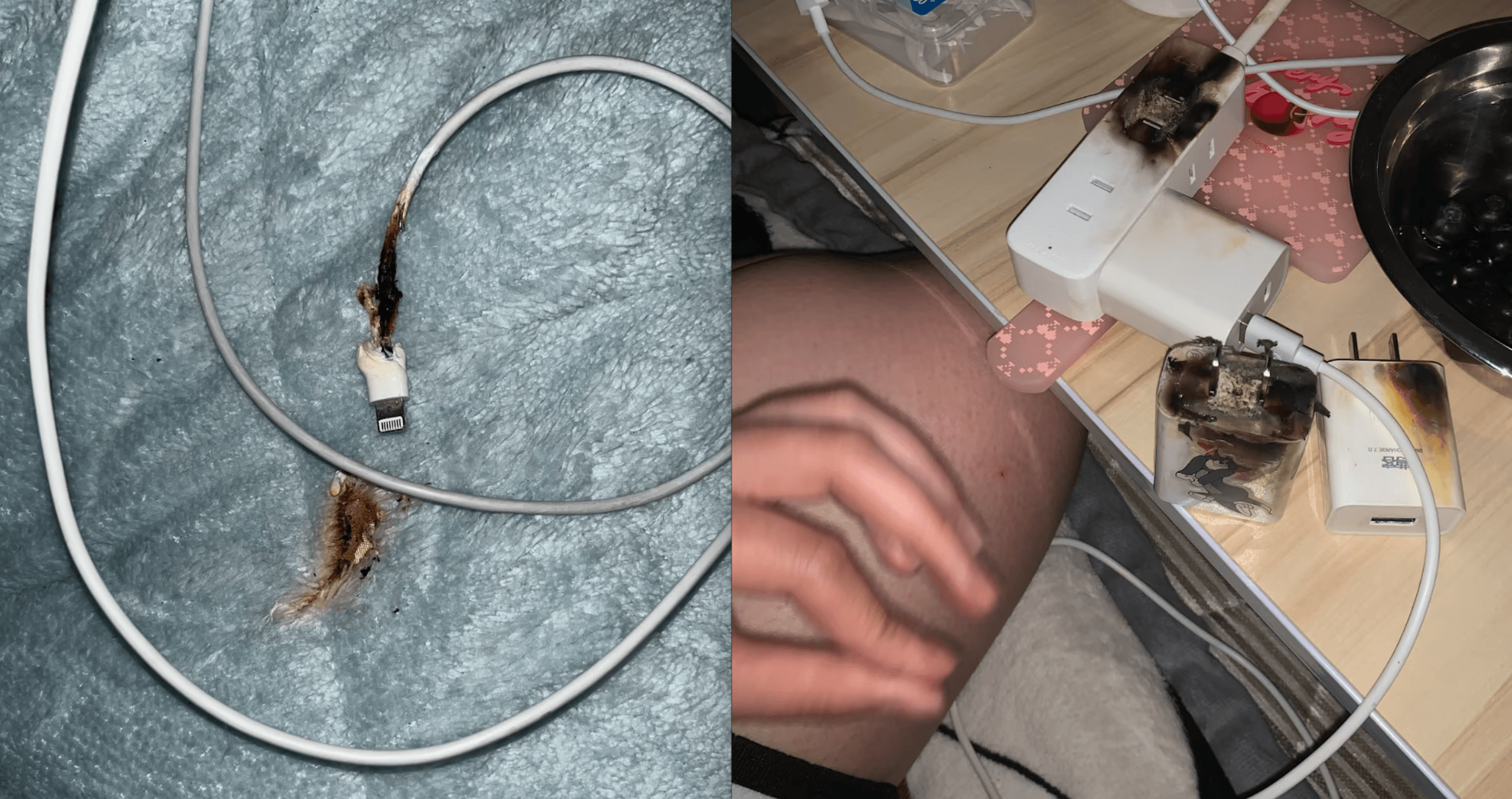
Why Can a Charging Cable Melt?
It is easy to assume that a charging cable is simply a passive accessory and therefore cannot create a serious safety problem.In reality, high-power USB-C charging has made cable quality increasingly important.Whenever current flows through a conductor, heat is generated. If a cable is underspecified, uses poor-quality conductors or has an unreliable connector, localised heating can occur.
This becomes particularly important at higher charging powers, where even a small contact problem inside a connector can create significant localised heating.A proper high-power charging cable should therefore offer more than a simple “100W Fast Charging” label.
Consumers should also consider its maximum current, supported USB protocols, connector construction and whether it is designed for high-power operation.For high-power USB-C Power Delivery cables, electronic marking and related cable identification can also be important. USB-IF maintains technical specifications and compliance programmes for USB Type-C and USB Power Delivery, which is one reason reputable products tend to provide much clearer technical information.
Why Does Magnetic Wireless Charging Produce Heat?
Magnetic wireless charging works differently from conventional wired charging.The transmitter creates a changing magnetic field through a coil, while the receiver obtains energy through electromagnetic induction. The magnets primarily help position the two devices so that the charging coils can align more accurately.
The magnetic connection itself is not the same thing as wireless charging.The magnets provide alignment; the actual energy transfer is handled by the charging coils and associated electronics.When the coils are properly aligned, energy transfer is generally more efficient. If alignment is poor, temperatures rise or unsuitable foreign objects are present around the charging area, the system may need to reduce power to control heat.
A properly designed magnetic charger should therefore not be judged simply by how strong the magnets feel.Consumers should pay more attention to magnetic alignment, wireless output power, temperature monitoring, foreign-object detection and power control under abnormal conditions.
Why Does a “35W Magnetic Charger” Not Necessarily Charge a Phone at 35W?
This is one of the easiest specifications for consumers to misunderstand.If a magnetic charger is rated for a maximum wireless output of 35W, this generally describes the maximum output capability of the charger.The actual power received by the phone depends on the phone’s wireless charging capability, charging protocol, temperature, coil alignment and the charger’s available input power.
A knowledgeable buyer should therefore distinguish between three different concepts: Charger maximum output. Device maximum input. Actual charging power during use.
If a charger can provide 35W but the phone supports a lower wireless input power, the phone will not simply be forced to accept 35W.
How Can You Tell Whether a Charging Product Is Properly Compliant?
For UK consumers, seeing a CE, UKCA or other compliance mark should not automatically be treated as proof that a product is completely risk-free.A compliance marking indicates that the product has been assessed against the applicable regulatory requirements.A professional product should also have identifiable manufacturer information, a specific product model, technical specifications and the appropriate compliance documentation.
For lithium-battery products, IEC 62133-2 is an important international safety standard. It specifies safety requirements and tests for portable sealed secondary lithium cells and batteries.For lithium-battery transport, UN 38.3 is also highly relevant because lithium cells and batteries are subject to specific transport safety testing.
For the UK market, CE, UKCA and other regulatory requirements must be considered according to the specific product category and the legislation that applies to it.The most important point is this: Do not simply look at the logo. Check whether the documentation actually matches the product model.
If a test report refers to a different model, it should not automatically be treated as complete evidence that the product in front of you has been tested in the same

Why Does a CE Mark Not Mean a Product Can Never Fail?
This is an important point to understand.No electronic product can honestly be guaranteed never to fail.Testing and compliance processes are designed to reduce risk through defined requirements and testing procedures and to demonstrate conformity with applicable safety requirements.
A product can still become unsafe after being dropped, crushed, exposed to water, modified, used in excessive heat or connected to damaged cables or unsuitable charging equipment.Product safety should therefore be understood as a combination of: Product design + compliance testing + manufacturing quality + correct use.
No single element can completely replace the others.
How Can You Spot a Poor-Quality Charging Product?
The warning sign is not necessarily a low price itself. It is often a lack of credible product information.If a power bank only says “20,000mAh Super Capacity” without clear input and output specifications, or a charger simply says “100W GaN Fast Charger” without detailed output profiles, or a cable claims “240W” without clear protocol, current and manufacturer information, further verification is sensible.A credible product should not be afraid of providing specifications.The clearer the specifications, the easier it is for consumers to determine whether the product is appropriate for their devices.
When Should You Stop Using a Power Bank Immediately?
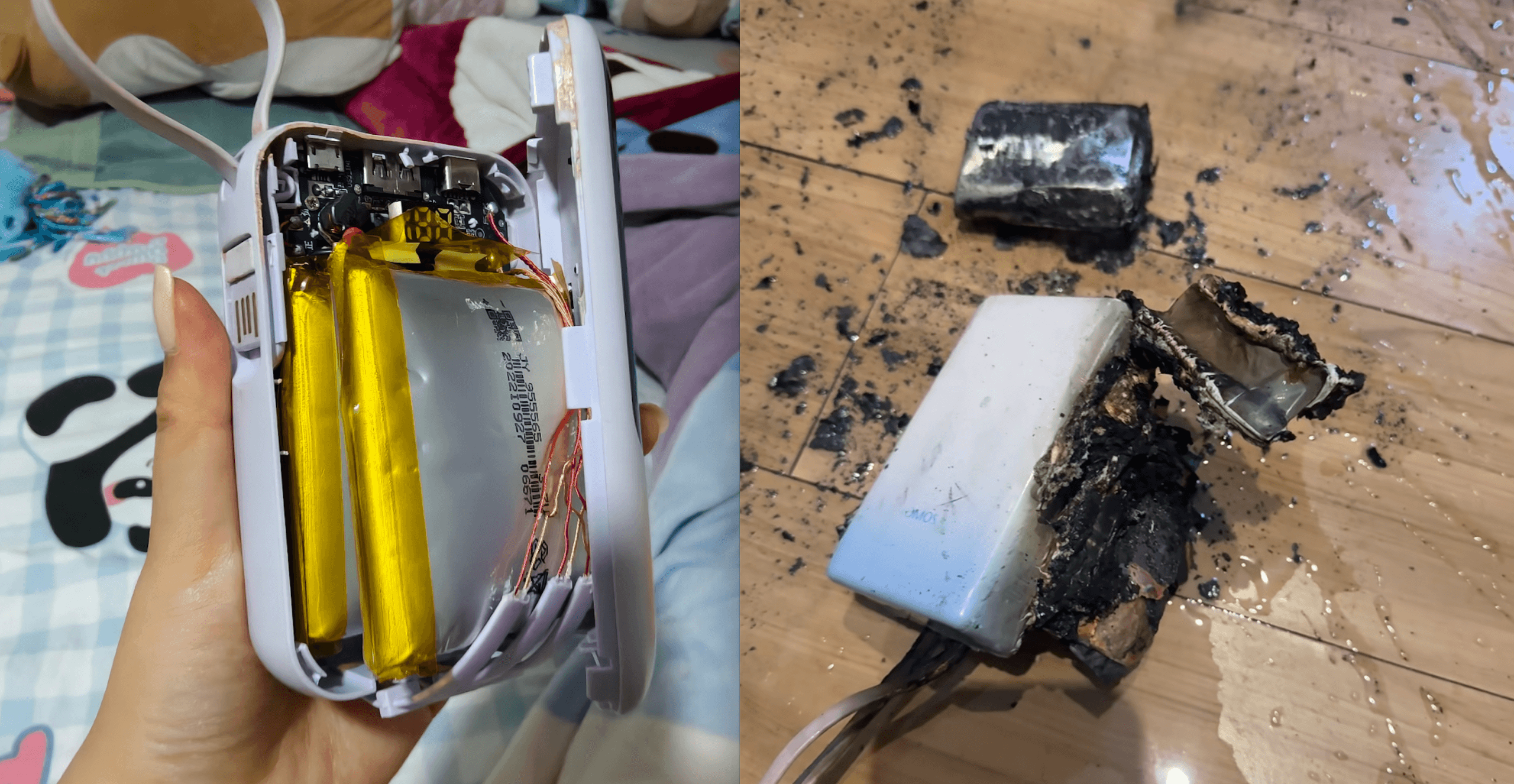
If a power bank becomes visibly swollen, deformed, unusually hot, develops a strong smell, produces smoke or makes abnormal noises, it should not be kept in service simply to see whether it still works.In particular, consumers should not attempt to dismantle a lithium battery themselves.
Swelling is not simply a sign that a battery is old. It can indicate an internal battery problem.If a device is already smoking or on fire, protecting the product is not the priority. Move away from the danger and follow local fire-safety procedures.For UK consumers, an actual fire should be treated as a genuine emergency rather than something to experiment with or attempt to control at personal risk.
Why Should You Avoid Charging a Power Bank on a Bed?
This may seem like a simple lifestyle issue, but it is directly related to heat management.Beds, duvets and pillows can restrict airflow. If a charger or power bank generates heat during charging, the surrounding materials can make it harder for that heat to escape.UK fire-safety authorities have repeatedly advised consumers to avoid charging lithium-battery devices in places where heat can become trapped, such as on beds or underneath bedding.A better charging environment is a hard, stable and dry surface with reasonable airflow around the device.
How Should Consumers Choose a Power Bank?
For everyday commuting, a 5,000mAh to 10,000mAh power bank can offer a good balance between portability and usable capacity.
For frequent travel, 10,000mAh to 20,000mAh may be more practical, although airline and transport restrictions should also be considered.
For a magnetic power bank, capacity is only part of the decision. Magnetic alignment, wireless output power, thermal management and wired output capability are also important.
If you need to charge a laptop, look for a USB-C Power Delivery charger or power bank with sufficient output capability, and make sure the cable is also rated appropriately for the required power.
How Should Consumers Choose a USB-C Charger?
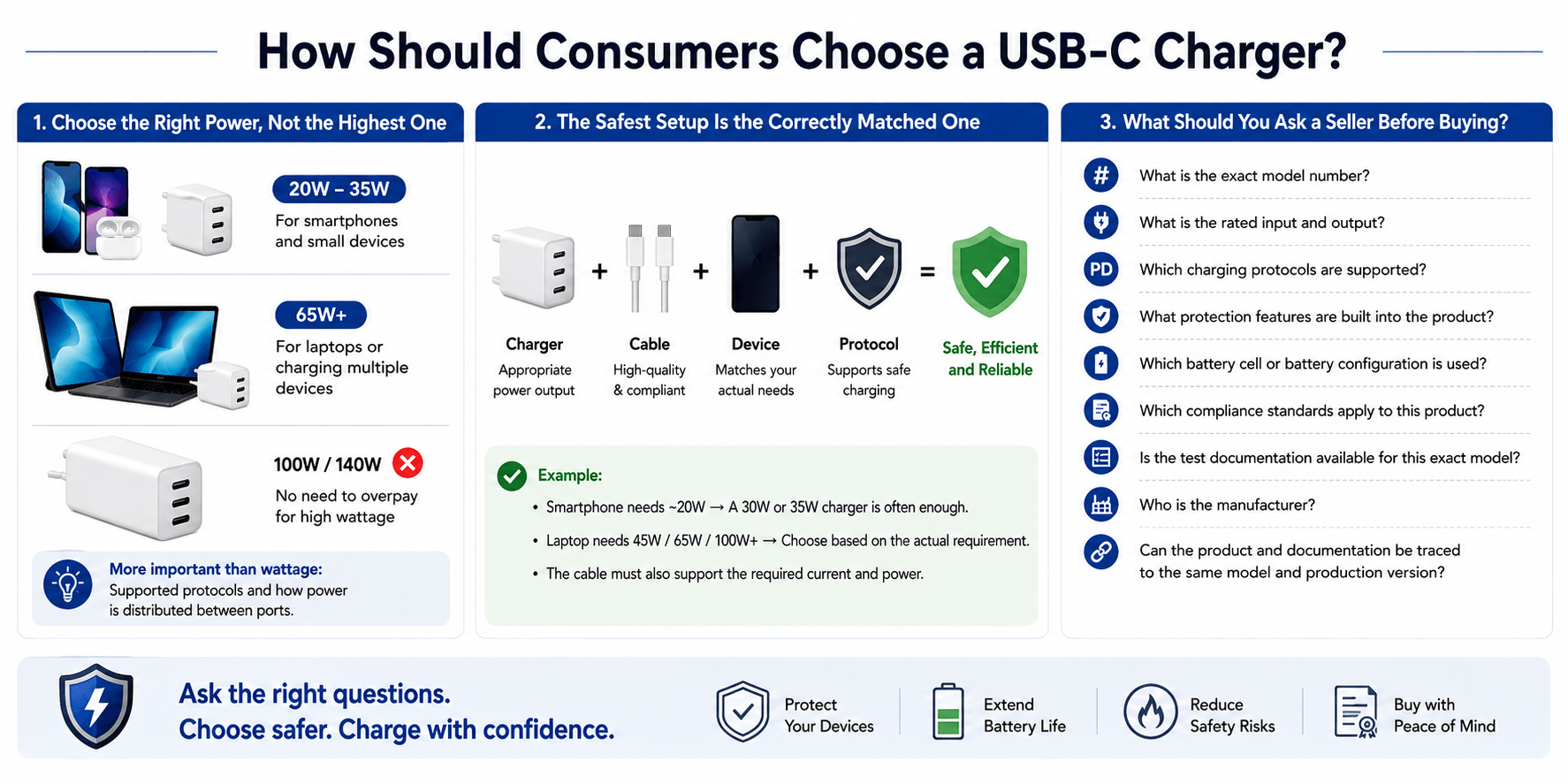
For a typical smartphone user, there is little reason to buy a 100W or 140W charger simply because the number looks impressive.Around 20W to 35W is often enough for smartphones and smaller electronics.If you need to charge a phone, tablet and laptop together, 65W or higher may make more sense.
More important than the headline wattage are supported charging protocols and how power is distributed between multiple ports.For example, a “65W” multi-port charger does not necessarily provide 65W to every port simultaneously.This is why the full specification matters more than the headline on the product page.
The Safest Charging Setup Is Not the Highest-Powered One — It Is the Correctly Matched One
A sensible charging system should have the charger, cable, device and charging protocol working within compatible specifications.For example, if a smartphone requires around 20W, a compliant 30W or 35W charger may already provide more than enough headroom.For a laptop, the appropriate choice may be 45W, 65W, 100W or more depending on the computer’s actual requirements.
The cable must also be capable of carrying the required current and power.That is what proper specification matching actually means.
What Should You Ask a Seller Before Buying a Charging Product?
For an inexpensive accessory, many consumers may never ask these questions.For a power bank, 65W charger, high-power USB-C cable or magnetic wireless charger that you expect to use for years, asking a few technical questions can be worthwhile.
What is the exact model number?
What is the rated input and output?
Which charging protocols are supported?
What protection features are built into the product?
Which battery cell or battery configuration is used?
Which compliance standards apply to this product?
Is the test documentation available for this exact model?
Who is the manufacturer?
Can the product and documentation be traced to the same model and production version?
If a seller can answer these questions clearly and consistently, it becomes much easier for the buyer to assess whether the product is credible.
Conclusion: Choosing a Safer Charging Product Is About More Than Price and Wattage
Power banks, chargers, USB-C cables and magnetic wireless chargers are not automatically safer simply because they have lower wattage or a higher price.Real-world safety depends on product design, component quality, protection systems, thermal management, manufacturing quality, testing, regulatory compliance and correct use.
The most important thing for consumers to remember is not a particular certification logo or a particular wattage figure.
Are the specifications genuine?
Does the exact model have appropriate testing and compliance documentation?
Are the charger, cable and device properly matched?
Does the product include appropriate protection against over-voltage, over-current, short circuits and excessive temperature?
Would I recognise the warning signs and stop using the product if it became swollen, unusually hot, damaged or developed an abnormal smell?
A professionally designed charging product should do more than charge quickly.It should provide stable performance during normal use, incorporate appropriate safeguards against foreseeable faults and give consumers enough clear information to understand exactly what they are buying.
A trustworthy charging product should not rely solely on phrases such as “Fast Charging”, “High Power” or “Safe Technology”. Its safety credentials should be supported by an identifiable model, clear technical specifications, manufacturer information and the appropriate compliance documentation.Ultimately, the best charging product is not necessarily the one with the highest specification. It is the one that is properly matched to your devices and usage, responsibly designed, appropriately protected and supported by verifiable compliance information.
That is the practical way to reduce the risk of power-bank fires, overheating chargers, melted charging cables and excessive heat during magnetic wireless charging.

Leave a Reply